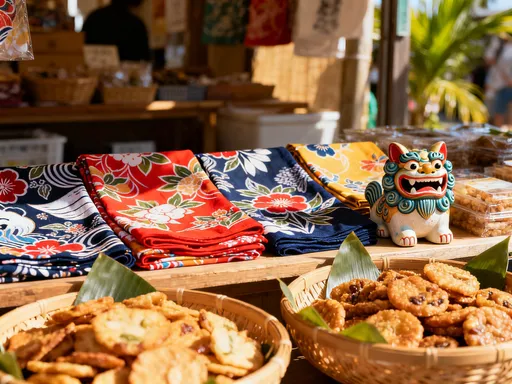
You Won’t Believe What I Found in Okinawa – A Shopper’s Dream Come True
Okinawa isn’t just turquoise waters and island vibes—it’s a treasure chest of unique goods you won’t find anywhere else. From handcrafted shisa lions to vibrant Bingata textiles, every item tells a story. I wandered through local markets and tucked-away boutiques, discovering souvenirs that are as authentic as the culture itself. Let me show you what makes Okinawan specialties truly one-of-a-kind. This is more than shopping; it’s a journey into the heart of an island where tradition, nature, and craftsmanship blend into something truly special. Whether you’re drawn to bold flavors, hand-dyed fabrics, or symbolic keepsakes, Okinawa offers treasures that resonate long after your suitcase is unpacked.
Why Okinawa’s Culture Shapes Its Unique Products
Okinawa’s identity is deeply rooted in the legacy of the Ryukyu Kingdom, a historical maritime power that thrived on trade with China, Japan, and Southeast Asia. This rich cultural crossroads continues to shape the island’s craftsmanship today. Unlike mainland Japan, where minimalism often dominates design, Okinawan products embrace color, symbolism, and natural motifs. The warm subtropical climate influences both materials and usage—light cotton textiles, breathable pottery glazes, and sun-dried foods are common, all designed to harmonize with island living.
The Ryukyu heritage is evident in everything from architecture to art. Traditional homes feature red-tiled roofs and open courtyards, while daily life incorporates rituals and symbols passed down for generations. This cultural continuity means that even modern souvenirs carry echoes of ancient practices. For example, the use of natural dyes in textiles or the hand-coiling method in pottery isn’t just aesthetic—it’s a commitment to preserving techniques that define Okinawan identity. Visitors quickly notice how deeply tradition is woven into everyday objects, making each purchase feel meaningful rather than merely decorative.
Island life also fosters a slower, more intentional approach to creation. Artisans often work in small family-run studios, passing skills from parent to child. There’s little mass production; instead, there’s pride in individuality and imperfection. A slightly uneven edge on a ceramic bowl or a subtle variation in dye pattern isn’t seen as a flaw—it’s proof of human touch. This philosophy extends beyond crafts to food, where ingredients are sourced locally and prepared with care. When you buy something made in Okinawa, you’re not just acquiring an object—you’re connecting with a way of life that values patience, community, and respect for nature.
Moreover, the island’s isolation has helped preserve its distinct culture. While modernization has arrived, many villages maintain strong ties to ancestral customs. Festivals still feature traditional music and dance, and local markets prioritize regional producers. This cultural resilience ensures that what you find in Okinawa isn’t a watered-down version for tourists—it’s the real thing. Whether it’s a hand-painted fan, a bottle of aged awamori, or a piece of woven fabric, each item reflects centuries of adaptation, survival, and beauty born from the sea and sun.
Must-Try Okinawan Food Specialties (And Where to Buy Them)
Okinawan cuisine is a flavorful reflection of the island’s geography and history, blending Japanese simplicity with Southeast Asian spice and Chinese influence. Among the most beloved edible souvenirs are those made from beni imo, the vibrant purple sweet potato native to the region. Its striking color and mildly sweet taste make it a favorite in everything from mochi and ice cream to cakes and liquor. These treats aren’t just delicious—they’re also rich in antioxidants, making them a guilt-free indulgence. For travelers, packaged beni imo snacks are ideal: lightweight, shelf-stable, and easy to share with friends and family back home.
Another must-try is awamori, Okinawa’s signature distilled spirit made from Thai rice and black koji mold. Unlike sake, which is brewed, awamori is fermented and aged, sometimes for decades. The longer it matures, the smoother and more complex its flavor becomes. Bottles labeled kusu—meaning “old”—are especially prized and make for impressive gifts. Many visitors enjoy sampling awamori at tasting counters before selecting a bottle to bring home. Department stores like DFS Galleria in Naha offer curated selections with English labels, making it easier to navigate brands such as Ryukyu, Kikunotsuyu, and Jounetsu.
Then there’s champuru, the iconic stir-fry dish that symbolizes Okinawa’s eclectic spirit. While you can’t pack a hot meal, you can bring home seasoning kits or dried goya (bitter melon) to recreate the dish. These are available at local supermarkets like Yaeyama or specialty shops near Shuri Castle. Look for products with the “Okinawa Original” certification mark, which guarantees authenticity and quality. For those concerned about freshness, vacuum-sealed packages and freeze-dried versions ensure long shelf life without sacrificing flavor.
When purchasing food items, consider customs regulations, especially if flying internationally. Most packaged snacks are allowed, but alcohol quantities may be limited depending on your destination. Always check duty-free allowances and pack liquids securely to avoid spills. Many shops offer gift wrapping and insulated packaging upon request. If you’re buying perishables like fresh mochi or tofu, consume them before departure or use Japan’s reliable luggage delivery service, takkyubin, to send them ahead. This way, you can enjoy your finds without worrying about carrying them through airports.
For a truly authentic experience, visit local markets such as Makishi Public Market in Naha. Here, vendors sell everything from pickled vegetables to homemade spice blends. The atmosphere is lively, and many sellers are happy to let you sample before buying. It’s not just about taste—it’s about connection. When you chat with a farmer about how they grow beni imo or learn from a vendor how to prepare awamori-based dishes, your purchases gain deeper meaning. These interactions turn simple snacks into lasting memories, and that’s what makes Okinawan food souvenirs so special.
Bingata: Wear a Piece of Okinawan Art
Bingata is one of Okinawa’s most dazzling artistic traditions—a resist-dyeing technique known for its bold patterns and vivid colors. Originating in the 15th century during the Ryukyu Kingdom, Bingata was once reserved for royalty and nobility. Today, it’s accessible to all, but its craftsmanship remains highly respected. Each piece is hand-stenciled using rice paste to block dye, then painted with natural pigments derived from plants, minerals, and even shellfish. The result is a textile that feels alive with movement—floral vines, tropical birds, and ocean waves dance across silk, cotton, and hemp fabrics.
What sets Bingata apart is its celebration of nature. Designs often depict local flora and fauna: hibiscus, pineapples, sea turtles, and dragonflies appear frequently, rendered in bright yellows, deep indigos, and fiery reds. The symmetry and flow of the patterns reflect a deep reverence for balance and harmony—core values in Okinawan culture. Unlike printed fabrics, Bingata is labor-intensive and time-consuming, with a single kimono taking weeks to complete. This dedication to detail ensures that every garment is unique, bearing slight variations that attest to its handmade origin.
To find authentic Bingata, head to Shuri, the former royal capital. Small studios nestled in quiet lanes allow visitors to watch artisans at work. Some offer short workshops where you can try stenciling a small cloth under guidance. Certified craft shops, such as those affiliated with the Okinawa Prefectural Government’s Traditional Crafts Promotion Office, guarantee genuine pieces. Look for labels indicating “Handmade Bingata” or “Okinawa Prefecture Certified Craft.” These markers help distinguish real artistry from factory-made imitations sold in tourist malls.
When selecting a Bingata item, consider its use. Scarves and handkerchiefs are popular choices for souvenirs—lightweight, affordable, and easy to pack. For something more substantial, cotton jackets or wall hangings make stunning decorative pieces. Care instructions are simple: hand wash in cold water and dry in shade to preserve color. Because the dyes are natural, they may fade slightly over time, but this only adds to the fabric’s character, much like a well-loved photograph.
Wearing Bingata is more than a fashion statement—it’s a tribute to Okinawa’s creative spirit. When you drape a Bingata scarf over your shoulders, you carry a piece of island history with you. It becomes a conversation starter, a way to share the beauty of Okinawan art with others. And every time you wear it, you’re reminded of the skilled hands that brought it to life, the subtropical breeze that inspired its design, and the enduring legacy of a culture that turns everyday materials into masterpieces.
The Magic of Shisa: More Than Just a Cute Souvenir
No symbol is more iconic in Okinawa than the shisa, the lion-dog guardian figure perched on rooftops, gates, and garden walls. With wide eyes, bared teeth, and often one paw raised over a swirling orb, these statues are believed to ward off evil spirits and bring protection and good fortune. While they’ve become popular souvenirs, their significance runs deep in Okinawan spirituality and daily life. Understanding the meaning behind the shisa transforms a simple purchase into a meaningful connection with local beliefs.
Traditionally, shisa come in pairs: the male, with an open mouth, roars to scare away danger, while the female, with a closed mouth, keeps blessings inside the home. Their designs vary by region and artisan—some are fierce, others playful; some wear red sashes, others hold miniature pineapples or coral. In Naha, you’ll find more stylized versions with intricate details, while rural villages favor rustic, hand-carved figures with rougher finishes. Each one carries the personality of its maker and the energy of its origin.
When shopping for a shisa, it’s important to support local artisans rather than buying mass-produced imports. Reputable vendors can be found in Yomitan Village, known for its ceramic workshops, and at the Okinawa Prefectural Museum Gift Shop, which sources directly from registered craftspeople. Look for pieces marked with a signature or studio stamp—this indicates authenticity and supports fair wages for artists. Avoid plastic or lightweight resin versions sold in airport gift shops; these lack the soul of true shisa.
Many visitors choose a shisa that resonates with their intentions—protection, peace, or prosperity. Some even name their figurines or place them in specific areas of their homes upon returning. While they may no longer guard a rooftop, they still serve as reminders of Okinawa’s spiritual depth. Placed on a bookshelf or windowsill, a shisa becomes a quiet guardian, a bridge between cultures, and a symbol of resilience. In a world that often feels uncertain, having a small protector with watchful eyes offers comfort and connection.
Awamori Adventures: Finding the Right Bottle to Bring Home
Awamori is more than a drink—it’s a liquid embodiment of Okinawa’s climate, history, and craftsmanship. Made from indica rice (imported from Thailand), black koji mold, and pure limestone-filtered water, it’s distilled once and aged in clay pots or stainless steel tanks. The fermentation process gives awamori a distinct earthy aroma and smooth finish, different from sake or shochu. While it can be enjoyed straight, on the rocks, or mixed with water, its versatility makes it a favorite among locals and visitors alike.
For those looking to bring a bottle home, understanding the types of awamori is key. Kusu, or aged awamori, must be matured for at least three years and develops rich, complex notes of caramel, nuts, and dried fruit. Brands like Ryukyu and Kikunotsuyu are widely available and consistently high in quality. Limited editions, often released for festivals or anniversaries, are especially collectible. These are typically sold at specialty liquor stores or directly from distilleries on the outer islands like Ishigaki or Miyako.
If you’re new to awamori, tasting before buying is highly recommended. Many department stores in Naha have dedicated corners where staff offer small samples. Some even provide guided tastings that explain the differences between young and aged varieties. Duty-free shops at Naha Airport also carry a wide selection, with multilingual staff to assist with choices. For added convenience, you can purchase bottles and have them delivered to your hotel or shipped internationally through authorized services.
When selecting a bottle, consider the recipient. Aged awamori makes an elegant gift for special occasions, while flavored versions—such as those infused with mango, pineapple, or beni imo—are fun and approachable. Packaging often reflects Okinawan aesthetics: ceramic flasks with shisa stoppers, wooden boxes with Ryukyu lacquer finishes, or labels featuring traditional patterns. These details enhance the gifting experience, making the bottle as beautiful as its contents.
Remember to check airline regulations regarding alcohol. Most allow one or two bottles in checked luggage, provided they’re properly sealed and packed with cushioning. To be safe, use the original box or request protective wrapping from the store. By choosing a quality bottle of awamori, you’re not just bringing home a drink—you’re sharing a piece of Okinawa’s heritage, one sip at a time.
Hidden Craft Markets and Local Shopping Spots Off the Tourist Trail
Beyond the bustling streets of Naha and the polished aisles of duty-free shops lies a quieter, more intimate side of Okinawan shopping. Weekly flea markets, village cooperatives, and artist collectives offer a chance to engage directly with makers and discover one-of-a-kind items. These spaces are less about commerce and more about community—a place where stories are exchanged along with goods. For travelers seeking authenticity, these hidden spots provide a richer, more personal experience.
One such destination is the Koza Street Market, held every weekend in Okinawa City. Once part of the U.S. military base area, Koza has evolved into a vibrant cultural hub. The market features over 100 stalls selling handmade jewelry, recycled fabric bags, wood carvings, and organic snacks. Local musicians often perform, creating a festive yet relaxed atmosphere. Because many vendors are independent artists, prices are fair, and bargaining is generally not expected. Instead, polite conversation and appreciation go a long way. Bringing cash is essential, as most stalls don’t accept cards.
Another gem is Yomitan Village, known for its concentration of craft studios. The Yomitan Creative Village hosts regular open-house events where potters, weavers, and dyers welcome visitors into their workshops. You might watch a ceramicist shape a shisa from clay or see a textile artist apply rice paste to a Bingata stencil. Some studios sell seconds or imperfect pieces at discounted prices—perfect for budget-conscious shoppers who still want authentic craftsmanship.
Rural cooperatives, such as those in Taketomi or Iheya, focus on preserving traditional methods while supporting local economies. Women’s weaving groups create minsa textiles using handlooms, while fishing communities produce salt from seawater using solar evaporation. These products are often sold at small roadside stands or community centers. Though signage may be in Japanese, smiles and gestures bridge the language gap. Purchasing here means your money goes directly to families maintaining age-old practices.
Timing is important when visiting these locations. Most markets operate on weekends or specific days of the month, so checking local event calendars in advance is wise. Respecting local etiquette enhances the experience: greet shopkeepers with a simple “Irasshaimase” (welcome), handle items gently, and take photos only when permitted. These small gestures show appreciation and help preserve the warmth of Okinawan hospitality. In these quiet corners of the island, shopping becomes a dialogue—one that honors creativity, sustainability, and human connection.
Smart Shopping Tips: How to Travel Light Without Missing Out
With so many beautiful and meaningful items to choose from, it’s easy to overpack. But thoughtful shopping doesn’t mean filling every suitcase. The key is intentionality—selecting pieces that truly matter rather than collecting impulse buys. Start by setting a mental budget and a physical limit, such as one bag dedicated solely to souvenirs. This encourages mindfulness and helps prevent regret later.
Fragile items like pottery or glassware require extra care. Wrap them in soft clothing inside your suitcase, or use bubble wrap available at most convenience stores. For delicate textiles like Bingata, roll them instead of folding to avoid creases. If you’re concerned about space or breakage, consider using Japan’s takkyubin (luggage delivery) service. Companies like Yamato Transport allow you to send packages from convenience stores or hotels directly to your home. It’s reliable, affordable, and eliminates the stress of carrying heavy bags through airports.
Another smart strategy is to prioritize multi-use items. A Bingata scarf can be worn, displayed, or used as a gift wrap. A small shisa can sit on a desk or shelf as a daily reminder of your journey. Edible souvenirs like beni imo snacks or awamori can be shared, making the experience communal. Choosing items with purpose ensures they’ll be appreciated long after the trip ends.
Finally, remember that the best souvenirs aren’t always the most expensive or elaborate. Sometimes, the simplest things—a hand-painted postcard, a packet of local sea salt, or a small ceramic cup—carry the deepest memories. These modest treasures connect you to moments: sipping tea from that cup, seasoning food with that salt, or seeing a friend’s face light up when you give them a gift. In the end, it’s not about how much you bring home, but how meaningfully you remember where you’ve been. Okinawa’s spirit lives not just in its products, but in the quiet joy they bring when shared with love.