You Won’t Believe What I Ate in Mysore – A Foodie’s Hidden Journey
Mysore isn’t just palaces and yoga—it’s a flavor explosion waiting to happen. I went searching for the city’s soul and found it not in temples, but in steaming idlis tucked away in alleyways, in spice-laden dosas flipped by grandmas, and in sweet, syrupy jalebis glowing under streetlights. This isn’t tourist menu fare. This is real, messy, unforgettable food magic. If you think you know South Indian cuisine, think again—what I discovered will change the way you taste Mysore forever.
Beyond the Brochure: Why Mysore’s True Charm Lies in Its Eats
Mysore is often celebrated for its regal heritage, its sprawling palace, and its reputation as a hub for yoga and wellness. Yet beneath the surface of postcard-perfect landmarks lies a deeper, more intimate truth: the soul of Mysore beats strongest in its kitchens, street corners, and bustling market lanes. While visitors flock to see the illuminated grandeur of the Mysore Palace at night, the real magic unfolds at dawn, when the city awakens to the sizzle of ghee on hot griddles and the scent of fermented batter rising in banana leaves. Food here is not merely sustenance; it is ritual, memory, and identity, passed from one generation to the next through the quiet precision of a mother’s hand shaping dosa batter or a grandmother’s secret blend of spices for sambar.
For the curious traveler, Mysore’s culinary landscape offers a more authentic and immersive experience than any museum or guided tour. Unlike the curated narratives of history books, the city’s food tells its own unfiltered story—one of resilience, celebration, and community. In the early morning light, the vegetable markets come alive with vendors arranging pyramids of tomatoes, baskets of bitter gourd, and garlands of fragrant curry leaves. Housewives haggle gently over prices, while cooks for local temples place bulk orders for turmeric and tamarind. Every ingredient has a purpose, every spice a season. This is not fast food; it is slow, intentional, and deeply rooted in tradition.
What makes Mysore’s food culture so compelling is its accessibility. You don’t need a reservation or a luxury hotel concierge to taste the best the city has to offer. Some of the most extraordinary meals are served on plastic stools beside dusty roads, where the only menu is a nod toward the steaming trays behind the counter. These moments of culinary serendipity—a perfectly crisp dosa dipped in coconut chutney, eaten while watching the sunrise over a quiet street—are what linger long after the trip ends. They remind us that travel is not just about seeing new places, but about feeling them, one bite at a time.
The Breakfast Revolution: Where Idli and Dosa Become Art
In Mysore, breakfast is not a meal; it is a daily celebration of flavor, texture, and craftsmanship. As the first light filters through the neem trees, small stalls across the city begin their ritual of preparing idli, dosa, and pongal—dishes so deeply woven into the fabric of daily life that they are almost sacred. These are not just morning staples; they are culinary heirlooms, perfected over decades, if not centuries. The process begins the night before, with rice and lentils soaking in clay pots, slowly fermenting in the warm, humid air. By dawn, the batter has risen into a light, airy foam, ready to be transformed into something extraordinary.
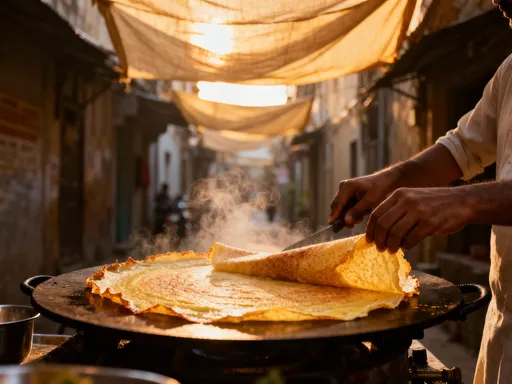
The idli, soft and spongy, emerges from its steamer like a cloud given form. Served piping hot with a side of pale yellow sambar and a swirl of fresh coconut chutney, it is simplicity elevated to an art form. Each bite dissolves on the tongue, carrying the subtle tang of fermentation and the earthiness of lentils. Nearby, the dosa takes center stage—a crisp, golden crepe rolled into a cylinder, its edges lacy and delicate. Whether plain, masala, or onion-stuffed, the dosa is a canvas for flavor, its crunch giving way to a tender interior that soaks up chutneys and sambar with quiet perfection.
Then there is pongal, a comforting porridge of rice and lentils cooked with ghee, black pepper, and cumin. Served with a side of coconut chutney and a wedge of lime, it is warmth in a bowl—a dish often offered in temples as prasadam, or blessed food. What sets Mysore’s breakfast culture apart is not just the quality of the food, but the rhythm of it. Locals arrive before sunrise, many still in their nightclothes, clutching steel tiffins to carry extras home. The stalls they frequent are unmarked, known only by reputation, yet they operate with a precision that speaks of pride and purpose. Here, breakfast is not rushed; it is savored, shared, and deeply respected.
Sweet Trails: Hunting Mysore’s Legendary Sweets
No journey through Mysore is complete without surrendering to its legendary sweet traditions. Among the most celebrated is Mysore Pak, a rich, fudgy confection made from gram flour, ghee, and sugar, infused with the delicate fragrance of cardamom. Its origins trace back to the royal kitchens of the Wadiyar dynasty, where it was first prepared as an offering to visiting dignitaries. Today, it remains a symbol of the city’s culinary heritage, sold in small, family-run sweet shops that have been operating for generations. The best versions are still made by hand, in copper vessels over wood fires, the batter stirred slowly until it reaches a thick, glossy consistency.
The first bite of authentic Mysore Pak is a revelation—crisp on the outside, meltingly soft within, with a richness that lingers on the palate without overwhelming. The ghee shines through, not greasy but luxurious, while the cardamom adds a floral note that balances the sweetness. Unlike mass-produced versions found in supermarkets, the real deal is dense, slightly grainy, and deeply satisfying. It is not a candy to be eaten in handfuls, but a treat to be enjoyed in small, mindful portions, often accompanied by a cup of strong filter coffee.
But Mysore’s sweet repertoire extends far beyond the famous pak. Walk through any neighborhood in the late afternoon, and you’ll find vendors selling jalebis, their bright orange coils dipped in sugar syrup and fried to perfection. The sound of sizzling batter hitting hot oil is a familiar soundtrack, drawing children and elders alike. Then there are the lesser-known gems—like obbattu, a flat, stuffed sweet made with lentils and jaggery, or kesari bath, a saffron-infused semolina pudding served during festivals. These sweets are not just desserts; they are woven into the rhythm of life. They are offered during temple visits, shared at weddings, and given as tokens of hospitality to guests.
Off the Radar: Finding Hidden Eateries Only Locals Know
While guidebooks may direct travelers to well-known restaurants and tourist-friendly cafes, the true culinary treasures of Mysore are often hidden in plain sight. These are the tiny, no-frills eateries tucked into narrow lanes, the roadside stalls with no signage, and the home kitchens that open their doors to curious visitors through word-of-mouth. They don’t appear on maps, and they rarely accept cards, but they serve some of the most authentic and delicious food in the city. Finding them requires a shift in mindset—from seeking convenience to embracing curiosity.
One of the simplest ways to discover these hidden gems is to follow the crowds. If you see a cluster of locals standing in line at 7 a.m., chances are they’re waiting for freshly made dosas or steaming idlis. Auto-rickshaw drivers, often overlooked as mere transporters, are another invaluable resource. Ask where they eat breakfast, and you might be directed to a tiny stall behind a temple or a family-run shop near a residential colony. These places thrive on repeat customers, not online reviews, and their success depends on consistency and quality.
Another strategy is to walk. Not the guided, itinerary-driven kind of walking, but the slow, observant kind. Turn off the main roads, wander through quiet neighborhoods, and pay attention to the aromas drifting from open windows. A whiff of ghee and cumin might lead you to a home kitchen offering lunch thalis to office workers. A cloud of steam rising from a roadside cart could mean freshly made paniyarams, those fluffy, fermented dumplings made from leftover idli batter. These are the meals that don’t come with a menu, only a smile and a gesture toward the steaming trays.
What makes these hidden eateries so special is not just the food, but the sense of belonging they offer. Sitting on a plastic stool beside a local schoolteacher or a retired government clerk, sharing a meal without speaking the same language, creates a quiet but powerful connection. In these moments, the barriers of tourism dissolve, and you are no longer a visitor, but a guest. And in Mysore, being a guest means being fed with generosity and pride.
Spice Routes: Inside Mysore’s Market Culture
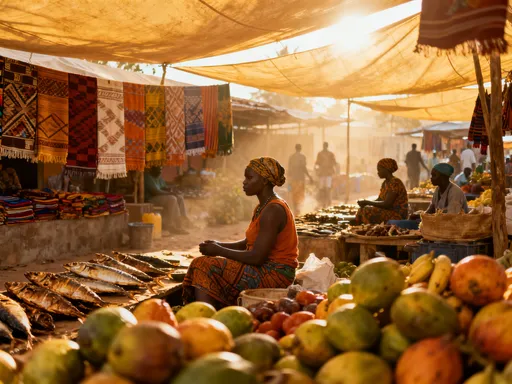
To understand Mysore’s cuisine, one must begin where every meal starts—the market. The city’s bustling bazaars are not just places to buy food; they are living museums of flavor, color, and tradition. From the early hours of the morning, vendors set up their stalls with meticulous care, arranging pyramids of turmeric, baskets of dried red chilies, and mounds of freshly grated coconut. The air is thick with the scent of coriander, cumin, and fenugreek, each spice telling a story of season, soil, and skill.
One of the most striking sights is the mountain of coconut pieces, piled high like ivory bricks, waiting to be ground into chutneys or milked for curries. Nearby, banana leaves are stacked in neat bundles, still damp from the morning harvest, ready to serve as natural plates for traditional meals. Vendors call out their prices in rhythmic cadence, while housewives and cooks inspect each vegetable with practiced eyes, pressing tomatoes for ripeness and sniffing onions for freshness. This is not shopping as transaction; it is shopping as ritual, a daily act of care and intention.
The market is also where the city’s agricultural roots become visible. Farmers from surrounding villages arrive before dawn, bringing in seasonal produce—bitter gourd, ridge gourd, drumsticks, and cluster beans—all grown without chemicals, harvested at peak ripeness. These ingredients form the backbone of Mysore’s home cooking, where freshness is not a luxury but a necessity. Unlike the standardized produce of supermarkets, these vegetables vary in size and shape, each one unique, each one full of flavor.
For the traveler, a visit to the market is an education in authenticity. It reveals the foundation of Mysore’s culinary excellence: respect for ingredients, seasonality, and tradition. To watch a vendor grind coconut with a hand-operated stone grinder, or to see a cook select curry leaves one by one for their evening meal, is to witness the quiet dignity of everyday cooking. It is here, in the dust and noise of the bazaar, that the true spirit of Mysore’s food culture begins.
Dining with the Locals: From Banana Leaf Feasts to Home Hospitality
One of the most profound ways to experience Mysore’s food culture is through its traditional meals, served on banana leaves during festivals, family gatherings, or temple events. These feasts are not just about eating; they are about ritual, order, and community. The banana leaf itself is symbolic—a natural, biodegradable plate that carries the warmth of the earth. It is placed with the tip pointing left, and the meal unfolds in a precise sequence: steamed rice at the center, surrounded by small portions of sambar, rasam, curd, and a variety of vegetable dishes.
Eating with the hands is not just customary; it is considered essential to the experience. The warmth of the food, the texture of the rice, the way the flavors blend as you mix each element—all are heightened by touch. Elders teach children to use only the right hand, to fold the leaf inward when finished as a sign of gratitude, and to never waste a grain of rice. Each gesture carries meaning, passed down through generations.
For many visitors, the ultimate honor is being invited into a local home for a meal. These invitations often come unexpectedly—a conversation at a market, a shared ride in an auto, or a simple smile exchanged at a temple. The host may not speak fluent English, but the language of hospitality needs no translation. The table is set with care, the food prepared with extra attention, and every dish offered with pride. You might be served a special version of Mysore Pak made just for guests, or a rare vegetable curry using a family recipe. The portions are generous, the pace unhurried, and the atmosphere warm.
These moments of home hospitality are not performances for tourists; they are genuine expressions of kindness and connection. In a world where travel can sometimes feel transactional, being welcomed into a home reminds us of the human heart at the center of every journey. It is in these quiet, unscripted meals that the true spirit of Mysore is revealed—not in grand palaces or famous landmarks, but in the simple act of sharing food with someone who sees you not as a visitor, but as family.
How to Eat Like a True Mysorean: Practical Tips for Travelers
To truly experience Mysore’s food culture, travelers must be willing to step off the beaten path and embrace a slower, more intuitive way of eating. Start by adjusting your schedule to match the local rhythm. Breakfast, the most important meal of the day, begins early—often by 6:30 a.m. Arriving at a popular stall by 8 a.m. might mean missing the best batches of idli and dosa, which are made fresh in the first few hours. Similarly, many of the best sweet shops sell out by midday, so plan accordingly.
When choosing where to eat, look for signs of local patronage. A busy stall with a line of office workers or schoolteachers is usually a reliable indicator of quality. Avoid places that cater exclusively to tourists, especially those with laminated English menus and air conditioning. The best food is often found in open-air settings, where hygiene is maintained through constant turnover and fresh preparation. If you’re unsure, don’t hesitate to ask for recommendations—a simple “Where do you eat?” to a shopkeeper or driver can lead to unexpected discoveries.
Be mindful of spice levels. While South Indian cuisine is known for its heat, many dishes can be adjusted to suit different palates. Don’t be afraid to ask for milder versions, especially if you’re new to the cuisine. At the same time, approach each meal with an open mind. Even if a dish seems unfamiliar, try a small portion—you might discover a new favorite. And always eat slowly, allowing each flavor to unfold. Rushing through a meal is not just discouraged; it’s considered a missed opportunity.
Finally, practice gratitude. Whether you’re eating at a roadside stall or a family home, remember that every meal is an act of generosity. A simple “thank you”, a smile, or the traditional gesture of pressing your palms together in a namaste can go a long way. In Mysore, food is not just about taste; it is about connection, respect, and the quiet joy of sharing.
Conclusion
Mysore’s cuisine is more than a collection of recipes; it is a living expression of culture, history, and heart. Every bite tells a story—of generations preserving tradition, of communities gathering around shared meals, and of a city that feeds its soul as much as its people. To eat in Mysore is not just to satisfy hunger, but to participate in something deeper: a rhythm of life that values patience, craftsmanship, and kindness.
For the traveler, the invitation is clear: go beyond the guidebook. Let your nose guide you down alleyways, follow the hum of conversation at a morning stall, and accept every offer of food with gratitude. The best experiences won’t be found on a menu, but in the warmth of a shared meal, the pride of a home cook, and the simple joy of eating something made with love. In Mysore, every meal is an open door—not just to flavor, but to belonging.