You Won’t Believe These Hidden Markets in Ziguinchor
Tucked away in southern Senegal, Ziguinchor is more than just a quiet riverside city—it’s a treasure chest of culture and commerce waiting to be explored. Most tourists never make it this far, but those who do discover vibrant local markets full of handmade crafts, aromatic spices, and one-of-a-kind finds. I wandered through backstreets and village stalls, uncovering shopping spots that feel authentic, alive, and refreshingly untouched by mass tourism. The air hums with the scent of grilled fish, ripe mangoes, and woodsmoke. Voices rise in gentle bargaining, children dart between stalls, and elders sit beneath awnings, watching the rhythm of daily life unfold. This is not a performance for visitors—it is real, rooted, and rich with stories. In a world where so many destinations feel commercialized, Ziguinchor offers something rare: a chance to engage with commerce as community, tradition, and art.
Why Ziguinchor Stands Out in West African Travel
Situated in the lush Casamance region, Ziguinchor occupies a unique place within Senegal’s cultural and geographic landscape. Separated from the rest of the country by a strip of The Gambia, it feels like a world apart—both physically and spiritually. This isolation has protected its distinct identity, shaped by the Diola (Jola) people, whose agricultural traditions, animist beliefs, and communal values remain deeply woven into daily life. Unlike the bustling streets of Dakar or the surf towns of the Petite Côte, Ziguinchor moves at a slower, more deliberate pace. Its red-dirt roads wind through banana groves and rice paddies, and the air carries the constant murmur of the Casamance River.
Because it remains off the standard tourist circuit, Ziguinchor has preserved a level of authenticity that is increasingly rare in West Africa. There are no sprawling souvenir malls or international chains. Instead, commerce thrives in open-air markets, village courtyards, and roadside stalls run by families who have traded for generations. This economic model is informal but resilient, rooted in mutual trust and local knowledge. Travelers who take the time to explore these spaces aren’t just shopping—they’re stepping into a living cultural ecosystem. The city’s Creole heritage, a legacy of French colonial influence and intermarriage with Afro-Portuguese communities, adds another layer, visible in the colorful colonial architecture, French-inflected dialects, and fusion cuisine.
What makes Ziguinchor truly special for travelers is its balance of accessibility and obscurity. It is reachable by plane from Dakar or by a scenic ferry ride down the river, yet few make the journey. As a result, the markets here do not cater to tourist expectations. There is no performative “local color” staged for cameras. The people are not accustomed to foreign attention, which means interactions feel genuine rather than transactional. For the mindful traveler—especially women in their 30s to 55s who value meaningful experiences over checklist tourism—Ziguinchor offers a rare opportunity: to witness and participate in a way of life that has remained largely unchanged by global consumerism.
The Heartbeat of Local Commerce: Marché Centrale
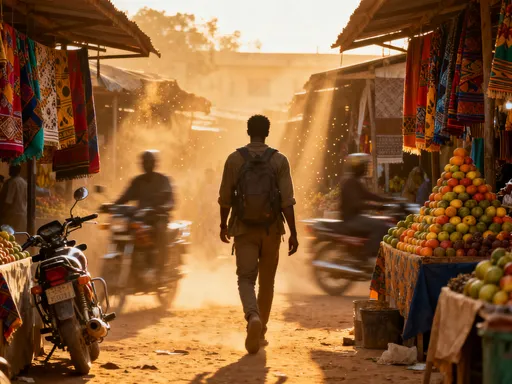
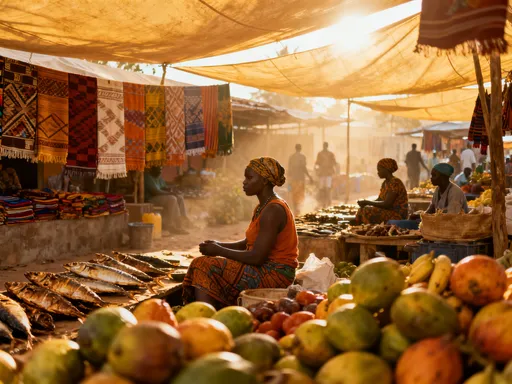
No visit to Ziguinchor is complete without stepping into the Marché Centrale, the city’s bustling commercial heart. From dawn until late afternoon, this sprawling marketplace pulses with energy, color, and sound. Stalls stretch in every direction, shaded by faded tarps and corrugated metal roofs. The air is thick with the mingling scents of dried fish, ripe plantains, smoked paprika, and crushed peanuts. Women in bright wax-print dresses arrange pyramids of okra, eggplant, and bitter tomatoes, while men stack baskets of cassava and yams. Near the fish section, the salty tang of the river lingers on the breeze as vendors display glistening mackerel and catfish laid out on banana leaves.
This is not a market designed for tourists—it is where families come to feed their households, where tailors buy fabric for custom dresses, and where elders purchase medicinal herbs from quiet stalls tucked in the corners. Yet it welcomes curious visitors who move with respect and openness. Bargaining is expected but conducted with courtesy; prices are low, but so are margins. A simple exchange—asking the name of a spice, complimenting a weaver’s pattern—can lead to warm conversations and unexpected invitations. Many vendors speak French, and some understand basic English, especially those who have interacted with occasional travelers.
One of the most striking aspects of Marché Centrale is its role as a social hub. It is where news is shared, where friendships are maintained, and where generations connect. Elder women sit together on low stools, sorting beans while discussing family matters. Young girls help their mothers weigh out grains on hand-held scales. The market is also a showcase of craftsmanship: handwoven raffia baskets, intricately patterned bogolan (mud cloth), and carved wooden spoons reflect generations of skill passed down through families. For the observant traveler, every item tells a story—not of mass production, but of purpose, care, and tradition.
Off-the-Beaten-Path: Village Craft Markets Beyond the City
Beyond the city limits, the true soul of Casamance’s artisan economy reveals itself in weekly village markets. These rotating gatherings, known locally as “loumas,” take place in rural communities such as Nguidjilone, Boutoupa, and Samine. Unlike permanent urban markets, these events occur on specific days—often tied to the agricultural calendar or religious observances—drawing traders from dozens of surrounding hamlets. Because they are not listed in guidebooks and rarely visited by tour groups, they offer an unfiltered glimpse into rural West African life.
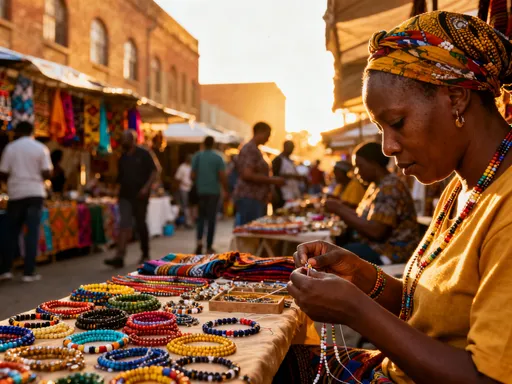
In these markets, craftsmanship is not a hobby—it is a livelihood and a cultural inheritance. Diola artisans display hand-carved wooden masks used in traditional ceremonies, their abstract features smoothed by years of handling. Calabash gourds, etched with geometric patterns, are transformed into bowls, musical instruments, and storage vessels. Jewelry made from recycled glass beads, brass, and cowrie shells reflects both aesthetic tradition and resourcefulness. Textiles dyed with natural pigments hang in the sun, their earthy tones a testament to sustainable practices long before the term became fashionable.
Reaching these markets requires planning. The most reliable way is by bush taxi—shared minibuses that depart from Ziguinchor’s main station early in the morning. Alternatively, travelers can join community-based tourism initiatives that partner with local guides to provide respectful access. These programs often include lunch with a host family, a demonstration of rice farming (a staple of Diola culture), and a chance to support women’s cooperatives that produce shea butter and woven mats. Such experiences go beyond shopping; they create human connections and ensure that tourism dollars benefit the people who welcome visitors.
When engaging with artisans, it is important to approach with humility. Many creators are shy about being photographed, and some consider their ritual objects sacred. A simple nod, a smile, and a quiet “Ndox” (thank you in Wolof) go a long way. Purchasing an item is not just a transaction—it is an acknowledgment of skill, history, and dignity. For the thoughtful traveler, these village markets are not about collecting souvenirs, but about carrying home a piece of a living culture.
Hidden Waterfront Traders Along the Casamance River
Along the banks of the Casamance River, where the water glimmers under the morning sun, a quieter form of commerce thrives. At small docks and ferry landings—places like Jonchere, Elinkine, and Diattacounda—families set up informal stalls to sell the day’s catch and handmade goods. These micro-markets are easy to miss, with no signs or structures, just women and children arranging smoked fish on woven mats, cracking open coconuts with machetes, or offering bundles of reed mats and fishing traps.
The river is the lifeblood of Casamance, and these traders are its caretakers. Canoes glide in at dawn, their hulls heavy with tilapia, sole, and prawns pulled from the estuary. Men unload their nets while women prepare the fish over open fires, using a centuries-old technique that combines smoking with natural wood flavors. The result is a rich, smoky delicacy that is a staple in local kitchens. Travelers can buy small packets wrapped in banana leaves—perfect for a picnic or a taste of authenticity.
What makes these waterfront markets so special is their intimacy. There is no pressure to buy, no aggressive sales tactics. A traveler might sit on a log, share a cup of bissap (hibiscus tea) with a fisherwoman, and watch the slow rhythm of the river. Children play in the shallows, and herons stalk the shoreline. It is a moment of peace, of connection to nature and to people whose lives are shaped by the water’s tides.
These traders depend on sustainable practices. Overfishing is rare, thanks to community regulations and traditional knowledge. Nets are repaired, not discarded. Nothing is wasted. For the environmentally conscious traveler—especially women who value sustainability and ethical consumption—supporting these vendors is a meaningful choice. Every purchase helps preserve a way of life that honors balance, respect, and resilience.
Creole Boutiques and Urban Artisans in the Quartier de la Gare
Not all of Ziguinchor’s markets are rustic or rural. In the Quartier de la Gare—the neighborhood surrounding the old railway station—a new generation of entrepreneurs is redefining local commerce. Here, small boutiques and open-front workshops blend Creole aesthetics with contemporary design. These spaces are often run by young women and returnees from Dakar or Europe, bringing fresh ideas while honoring tradition.
One might find a tailor transforming hand-dyed batik fabric into modern dresses with clean lines and flattering cuts. Another stall might showcase jewelry made from recycled sardine tins, painted and shaped into elegant earrings and pendants. Coffee roasters offer small-batch beans grown in nearby hills, their rich aroma filling the narrow streets. These artisans are not rejecting tradition—they are reimagining it for a new era. Their work appeals to both locals and travelers who appreciate quality, originality, and cultural pride.
The atmosphere in this quarter is relaxed but vibrant. Music drifts from open doors—mellow Afro-jazz or traditional kora melodies. Customers sip attaya (Senegalese mint tea) while browsing. Unlike in larger cities, there is no rush, no pretense. These shopkeepers value conversation as much as commerce. Many are eager to explain their process: how the batik wax is applied by hand, how the coffee is sun-dried, how the recycled metal is cleaned and shaped.
For the modern traveler who seeks both authenticity and comfort, this part of Ziguinchor offers a bridge between past and present. It is possible to find a beautifully made, culturally grounded item without sacrificing style or quality. And by supporting these urban artisans, visitors contribute to a growing movement of creative entrepreneurship that empowers women and keeps local traditions alive in new forms.
Shopping Smart: Etiquette, Bargaining, and What to Bring
Navigating Ziguinchor’s markets with confidence requires preparation and cultural sensitivity. First and foremost, cash is essential. Credit cards are not accepted, and ATMs are limited. It is wise to carry a mix of larger notes for emergencies and plenty of small denominations—500 and 1,000 CFA francs—for everyday purchases. A secure money belt or crossbody bag helps prevent loss in crowded areas.
Bargaining is a normal part of the experience, but it should be done with respect. Begin by smiling and greeting the vendor. Ask the price, then offer slightly less—never less than 70% of the initial quote. The goal is not to win, but to reach a fair agreement. If the seller refuses to lower the price, accept it gracefully. Pushing too hard can damage trust and disrespect the value of the work. Remember, many of these items are made by hand, and the profit margin is slim.
Bring practical items: a reusable cloth bag (plastic bags are discouraged), a water bottle (hydration is key in the heat), and sunscreen. A small notebook can help with language barriers—writing down numbers or drawing simple pictures. If you wish to take photos, always ask first with a gesture or a quiet “Permesso?” Most people will say yes, especially if you show genuine interest. When they decline, respect their privacy without pressure.
Dress modestly and comfortably. Lightweight, loose-fitting clothing in natural fabrics is ideal. Avoid flashy jewelry or expensive electronics that may draw unwanted attention. The goal is to blend in, to be seen not as a tourist, but as a respectful guest. When you leave a market with a handwoven basket or a jar of local honey, you are not just carrying a souvenir—you are honoring a moment of connection.
How These Markets Preserve Culture and Empower Communities
Beneath the surface of every transaction in Ziguinchor’s markets lies a deeper significance. These spaces are not just places to buy and sell—they are guardians of cultural memory. The Diola people, in particular, have maintained their language, spiritual practices, and agricultural knowledge through centuries of change. The masks, textiles, and rituals seen in village markets are not for show; they are part of a living heritage that sustains identity and community cohesion.
When travelers choose to shop in these informal markets, they become part of a chain of preservation. Every purchase supports a mother who weaves baskets to send her children to school, a young man who carves masks to honor his ancestors, or a cooperative of women who produce shea butter using traditional methods. This is sustainable tourism at its most direct—no intermediaries, no exploitation, just human dignity and mutual respect.
Moreover, these markets resist the homogenizing force of global consumerism. They do not sell mass-produced trinkets or imitation crafts. Instead, they offer items made with intention, skill, and local materials. By valuing these goods, travelers help ensure that future generations can continue these traditions. They also challenge the notion that development must mean Westernization. In Ziguinchor, progress looks like a young woman selling batik online, a village maintaining its rice fields, a fisherman passing down his boat to his son.
For women in their 30s to 55s—many of whom are mothers, caregivers, and stewards of family traditions—this kind of travel resonates deeply. It is not about escape, but about connection. It is about finding beauty in simplicity, strength in community, and wisdom in quiet places. Ziguinchor’s hidden markets invite us to slow down, to listen, to appreciate. They remind us that the most valuable things in life are not found in shopping malls, but in the hands of those who make them with love. So the next time you plan a journey, consider going beyond the guidebooks. Seek out the quiet docks, the village loumas, the backstreet boutiques. In doing so, you don’t just see a new place—you help keep its soul alive.