Step into the Rhythm of Copenhagen: Where Streets Sell Stories
Copenhagen isn’t just a city — it’s a living marketplace of ideas, style, and energy. Walking its commercial heart reveals more than shops; it uncovers culture, design, and the Danish art of hygge in action. From glass-fronted flagship stores to hidden courtyards buzzing with startup life, every step tells a story. This is retail with soul, where urban planning meets everyday magic. The streets are not merely passageways but stages for human connection, quiet elegance, and thoughtful consumption. In Copenhagen, commerce breathes with intention. Ready to explore?
The Pulse of the City: Why Walking Copenhagen’s Commercial Zones Feels Different
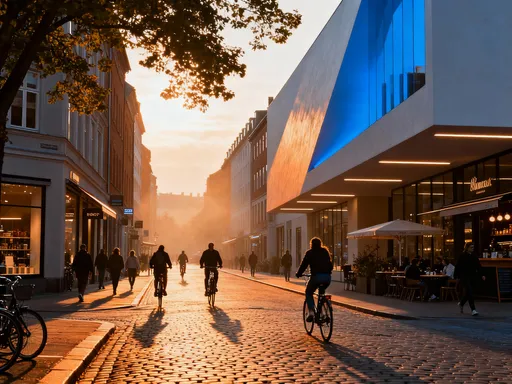
Copenhagen’s commercial districts are not designed for speed, but for presence. Unlike cities where traffic dominates and pedestrians play second fiddle, Copenhagen’s urban core treats walking as a primary mode of engagement. This is not accidental — it is the result of decades of deliberate planning centered on human scale and quality of life. The city’s approach to mobility prioritizes people over vehicles, creating wide sidewalks, protected cycling lanes, and open-air plazas that encourage lingering, conversation, and discovery. As a result, walking through the city’s business zones feels less like a commute and more like participation in a shared rhythm.
This pedestrian-first philosophy has deep roots. Since the 1960s, Copenhagen has systematically reduced car access in its center, beginning with the transformation of Strøget into a pedestrian zone. Today, over 60 percent of residents commute by bicycle, and more than 80 percent of city center trips are made on foot, by bike, or via public transit. This shift has redefined what urban commerce can be. Stores no longer rely on drive-by visibility; instead, they engage passersby through inviting architecture, seasonal window displays, and outdoor seating that blurs the line between street and shop. The pace is slower, the atmosphere calmer, and the experience richer.
What sets Copenhagen apart is how seamlessly commerce integrates with civic life. A business district here is not a sterile cluster of office towers but a layered environment where retail, dining, culture, and green space coexist. Public squares double as event spaces, courtyards host pop-up markets, and even utility buildings are designed with aesthetic care. This holistic vision reflects a broader Danish value: that beauty and functionality are not opposites, but partners. As a result, walking through Copenhagen’s commercial zones doesn’t feel transactional — it feels like moving through a thoughtfully curated life.
The city’s commitment to sustainability further enhances this experience. Green roofs, solar panels, and rainwater harvesting systems are common features, even in commercial developments. Pedestrian zones are cooled by trees and shaded by awnings, making walks pleasant year-round. These elements are not afterthoughts but integral to the city’s economic and social fabric. In Copenhagen, good design is not a luxury — it is a public service. This approach not only improves quality of life but also strengthens local economies by drawing visitors who value authenticity, comfort, and care.
Strøget: More Than Just a Shopping Street — A Social Spine
At the heart of Copenhagen’s walking experience lies Strøget, a 1.1-kilometer stretch of uninterrupted pedestrian roadway that cuts through the historic center. Often described as one of Europe’s longest shopping streets, Strøget is far more than a retail corridor — it is the city’s social spine, a dynamic public space where locals meet, tourists wander, and street performers command attention. Composed of four connected streets — Østergade, Amagertorv, Vestergade, and Frederiksberggade — Strøget weaves together centuries of architectural evolution with the pulse of contemporary urban life.
Each segment of Strøget has its own character. Østergade, the easternmost section, is home to international brands like Zara, H&M, and 'Samsøe & Samsøe', where modern storefronts stand beside 18th-century facades. The transition is seamless, a testament to Copenhagen’s ability to honor history while embracing change. Amagertorv, the central square, is the emotional heart of the street. Here, the iconic bronze statue of Hans Christian Andersen sits pensively, surrounded by café terraces and flower vendors. It is a natural gathering point, where people pause, sip coffee, and watch the world go by. The square often hosts seasonal markets, from Christmas stalls to spring flower fairs, reinforcing its role as a living civic space.
Vestergade offers a more bohemian contrast, lined with independent boutiques, vintage clothing stores, and small art galleries. This stretch attracts a younger, creative crowd and serves as a testing ground for emerging Danish designers. Frederiksberggade, the western end, connects Strøget to the residential neighborhoods beyond, blending retail with everyday services like pharmacies, bookshops, and bakeries. This mix ensures that Strøget is not just a tourist destination but a vital part of local life — a street where residents run errands, meet friends, and celebrate milestones.
What makes Strøget enduring is its balance between commerce and community. Unlike shopping malls, which isolate retail from the outside world, Strøget remains open, accessible, and responsive to the rhythms of the city. Storefronts are designed to engage the street — large windows, outdoor displays, and retractable awnings invite interaction. Street musicians, from solo violinists to jazz trios, perform under city permits, adding a soundtrack to the daily flow. Benches, planters, and public art are strategically placed to encourage rest and reflection. In a world where digital shopping threatens physical retail, Strøget proves that when stores serve as social spaces, they become indispensable.
Design as a Business Language: The Rise of Danish Lifestyle Brands
Walking through Copenhagen’s commercial zones, one cannot ignore the quiet power of design. It is not merely an aesthetic choice but a business language — a way of communicating values, identity, and quality. Danish lifestyle brands have mastered this form of expression, using their physical spaces to tell stories of craftsmanship, sustainability, and everyday beauty. Stores like &Tradition, Ferm Living, and Georg Jensen do not just sell products; they offer immersive experiences that reflect the nation’s design heritage and contemporary sensibilities.
Minimalism is a recurring theme, but it is not cold or impersonal. Instead, it is warm, tactile, and human-centered. Showrooms often resemble curated homes, with soft lighting, natural materials, and thoughtfully arranged vignettes. A Ferm Living store might feature a corner with a wool blanket draped over a wooden chair, a ceramic vase holding dried grasses, and a candle flickering nearby — not as a display, but as an invitation to imagine this moment in one’s own life. This approach, known as “commercial authenticity,” transforms shopping from a transaction into a sensory dialogue.
The success of these brands lies in their alignment with Danish cultural values. Danes prioritize functionality, durability, and understated elegance — principles that are evident in everything from furniture to fashion. A Georg Jensen silverware display, for example, emphasizes heirloom quality and timeless form, appealing to customers who value longevity over trends. Similarly, &Tradition’s lighting collections blend mid-century inspiration with modern innovation, speaking to a design-conscious audience that appreciates both history and progress.
These brands also play a role in shaping Copenhagen’s global image. As ambassadors of Danish design, they attract visitors who come not just to buy, but to understand the philosophy behind the products. Many stores offer guided tours, workshops, or collaborations with local artists, deepening the connection between brand and community. In this way, retail becomes education, and consumption becomes curation. For the discerning shopper — particularly the 30- to 55-year-old woman who values quality, sustainability, and emotional resonance — these spaces offer more than goods. They offer meaning.
Beyond the Center: Emerging Business Hubs in Nørrebro and Østerbro
While the city center draws the most attention, Copenhagen’s commercial energy is expanding into neighborhoods like Nørrebro and Østerbro, each developing its own distinct business identity. These areas reflect the city’s diversity and evolving urban dynamics, offering alternatives to the polished retail of Strøget. Nørrebro, known for its multicultural population and creative spirit, has become a hotspot for independent entrepreneurs, organic food markets, and socially conscious businesses. Østerbro, in contrast, presents a more tranquil, family-oriented commercial landscape, with boutique fitness studios, specialty grocery stores, and eco-friendly children’s boutiques.
Nørrebro’s commercial heart centers around Nørrebrogade, a bustling street that pulses with energy. Here, one finds a mix of secondhand clothing shops, vegan bakeries, and small cafés serving Middle Eastern and Nordic fusion cuisine. The area is a magnet for young professionals, artists, and families seeking authenticity over polish. Stores often double as community spaces — a record shop might host live music nights, or a juice bar could offer wellness workshops. This integration of commerce and culture fosters a strong sense of belonging, making Nørrebro not just a place to shop, but a place to participate.
Østerbro, located along the coastline, offers a quieter rhythm. Its commercial zones, such as Østerbrogade and Allégade, cater to a more affluent, family-centered demographic. Boutiques specialize in organic baby clothing, sustainable home goods, and high-end athletic wear. Cafés emphasize child-friendly spaces, with play corners and outdoor seating. The pace is slower, the design more refined, and the emphasis on quality of life unmistakable. Public transit, including frequent bus and metro lines, ensures these neighborhoods remain accessible without relying on cars.
Both areas exemplify Copenhagen’s decentralized commercial model. Rather than concentrating all retail in the center, the city supports neighborhood-level economies that serve local needs while welcoming visitors. This approach reduces congestion, strengthens community ties, and promotes walking as a daily habit. Whether browsing a handmade jewelry stall in Nørrebro or picking up artisanal cheese in Østerbro, the experience feels personal, grounded, and deeply connected to place.
The Green Commerce Movement: Sustainability Woven into the Urban Fabric
Copenhagen’s ambition to become the world’s first carbon-neutral capital by 2025 is not just a policy goal — it is a visible, walkable reality. This commitment permeates the city’s commercial landscape, where sustainability is not a marketing gimmick but a core operating principle. From grocery stores to fashion boutiques, businesses are rethinking how they source, sell, and serve, turning environmental responsibility into an everyday practice.
One of the most striking examples is the rise of zero-waste shops. Stores like “No Waste” and “Bare Market” offer package-free groceries, encouraging customers to bring their own containers. Shelves are lined with bulk grains, spices, oils, and cleaning products, reducing plastic waste and promoting mindful consumption. These shops often provide workshops on sustainable living, from composting to DIY skincare, creating educational hubs within the neighborhood. Their presence signals a shift — sustainability is no longer niche, but normalized.
Fashion retailers are also embracing circular models. Brands like Organic Basics and Karla Os focus on transparent supply chains, organic materials, and repair services. Some stores feature “repair cafes” where customers can bring damaged clothing for mending, extending the life of garments and reducing textile waste. Others offer take-back programs, where old items are recycled into new products. These practices not only reduce environmental impact but also build customer loyalty through shared values.
Even large retailers are adapting. Supermarkets like Irma and Fakta have eliminated single-use plastics, installed energy-efficient refrigeration, and prioritized local, seasonal produce. Their storefronts often display information about carbon footprints and sourcing, empowering consumers to make informed choices. In Copenhagen, sustainability is not hidden behind corporate reports — it is displayed proudly in the window, part of the shopping experience itself. For visitors and residents alike, this visibility reinforces the idea that commerce can be both beautiful and responsible.
The Human Side of Business: Cafés, Markets, and the Rhythm of Daily Trade
In Copenhagen, commerce is deeply relational. It is not just about buying and selling, but about connection, ritual, and belonging. Nowhere is this more evident than in the city’s cafés, markets, and corner shops — spaces where economic activity intertwines with daily life. These are not transactional zones but social anchors, where a morning coffee, a loaf of rye bread, or a quick chat with a vendor becomes part of a larger rhythm.
Torvehallerne, the city’s renowned food market, exemplifies this blend. Housed in a modern glass structure near Nørreport Station, it brings together over 60 vendors offering everything from smørrebrød to sushi, craft beer to organic pastries. But Torvehallerne is more than a place to eat — it is a destination for meeting, celebrating, and discovering. Locals gather for lunch, tourists explore new flavors, and chefs test new concepts. The market’s open layout encourages wandering, sampling, and conversation. The air is rich with the scent of roasting coffee, caramelized onions, and fresh herbs — a sensory map of the city’s culinary soul.
Neighborhood bakeries play a similar role. A small shop on a quiet street might be the first stop for parents with strollers, office workers on break, or retirees starting their day. The ritual of buying a warm, seeded roll or a cardamom bun creates continuity, a small but meaningful thread in the fabric of daily life. These bakeries often use sourdough starters passed down for generations, linking food to history and place. The counter staff know regulars by name, and the pace allows for real interaction — a contrast to the impersonal efficiency of chain stores.
Corner kiosks, too, serve as informal community hubs. Open late into the evening, they sell newspapers, snacks, and transit cards, but also function as information points and friendly outposts. A quick “god morgen” from the kiosk owner can set the tone for the day. In Copenhagen, these small-scale businesses are not relics of the past — they are vital, resilient, and deeply woven into the city’s social fabric. They remind us that commerce, at its best, is not just about profit, but about presence.
Practical Magic: How to Walk Copenhagen’s Commercial Zones Like a Local
To truly experience Copenhagen’s commercial heart, one must walk with intention. This is not a city for rushing, but for noticing — the curve of a bicycle lane, the texture of a brick wall, the way light falls on a café window at 3 p.m. For visitors, especially women aged 30 to 55 who value comfort, authenticity, and meaningful experiences, the key is to embrace the local rhythm. Start early in the morning, when the streets are quiet and bakeries are just opening. This is the best time to enjoy fresh pastries without crowds and to photograph empty cobblestone lanes.
Footwear is essential. While Copenhagen’s sidewalks are well-maintained, many streets are paved with cobblestones that can be uneven. Comfortable, supportive shoes with good grip are a must — avoid high heels or smooth soles. Layers are also wise; the weather can shift quickly, and many shops and cafés are kept at a moderate temperature. A light waterproof jacket and a scarf are practical additions.
When planning your route, consider starting at the east end of Strøget and walking westward, allowing the city to unfold gradually. Pause at Amagertorv for coffee, explore side streets like Købmagergade for design boutiques, and take a detour to Nyhavn for a scenic break. Use public transit — particularly the metro and buses — to extend your reach. A City Pass provides unlimited rides and access to museums, making it easy to combine walking with cultural visits.
Learn to read the city’s subtle cues. A shop with a plant on the doorstep and open door likely welcomes browsers. A café with newspapers on the counter invites lingering. Respect local norms: speak quietly, queue patiently, and say “tak” (thank you) when receiving service. Carry a reusable water bottle — Copenhagen’s tap water is among the cleanest in the world, and many public fountains are available.
Most importantly, allow for spontaneity. Some of the best discoveries — a hidden courtyard, a pop-up flower stand, a street musician playing a folk tune — happen when you’re not looking. Let the city guide you. Walk not to check off sights, but to feel the pulse of a place that values balance, beauty, and human connection.
Walking as a Way of Understanding
Walking Copenhagen’s commercial zones is not merely a way to see the city — it is a way to understand it. Each step reveals a value: the importance of sustainability, the beauty of simplicity, the dignity of craftsmanship, and the power of human connection. In an age when online shopping threatens to make physical stores obsolete, Copenhagen demonstrates that retail can be more than transactions. It can be theater, community, and art.
The city’s commercial spaces are not built for maximum efficiency or profit alone. They are built for people — for mothers pushing strollers, for friends meeting for coffee, for tourists pausing to admire a window display. They reflect a philosophy that life should be lived at a human pace, with attention to detail, care for the environment, and respect for the everyday. This is not accidental urbanism — it is intentional, thoughtful, and deeply humane.
For the woman who seeks meaning in her travels, who values quality over quantity, and who believes that how we live is as important as where we live, Copenhagen offers a powerful lesson. Commerce does not have to be loud, flashy, or excessive. It can be quiet, beautiful, and kind. It can tell stories. It can sell more than goods — it can sell a way of life. And sometimes, all it takes is a walk to understand what a city truly values.