Santiago de Cuba’s Wild Side: What No One Tells You About Its Natural Wonders
You know how travel guides make every place look like paradise? Well, Santiago de Cuba’s natural beauty is actually mind-blowing—but there’s a lot they don’t tell you. I went searching for untouched forests, hidden waterfalls, and real Caribbean vibes, only to learn the hard way what to avoid. From misleading signs to overhyped trails, here’s the honest scoop on experiencing the wild heart of eastern Cuba—without wasting your time or energy. This is not a polished resort island. It’s raw, unpredictable, and deeply alive. And if you’re willing to look beyond the brochures, you’ll find a side of Cuba few travelers ever witness.
Why Santiago de Cuba Stands Out for Nature Lovers
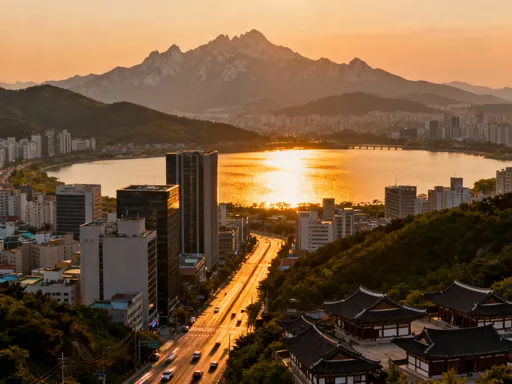
Santiago de Cuba, perched at the southeastern edge of the island, is where the Caribbean Sea meets the rugged spine of the Sierra Maestra mountain range. This unique geographic position creates a dramatic landscape of steep slopes, dense forests, and coastal cliffs that few other Cuban destinations can match. Unlike the postcard-perfect beaches of Varadero or the colonial charm of Havana, Santiago offers something more elemental: a sense of unfiltered nature, where the rhythms of life move at the pace of the seasons, not the demands of mass tourism.
The Sierra Maestra, stretching over 250 kilometers along Cuba’s southeast coast, forms a natural crown over the region. These ancient mountains are more than a scenic backdrop—they are a biodiversity hotspot, home to endemic species like the Cuban trogon, the national bird, and rare orchids that bloom only in high-altitude cloud forests. The region’s isolation has preserved ecosystems that have vanished elsewhere on the island. Cloud-shrouded peaks, rushing rivers, and thick jungle canopies create a sanctuary for wildlife and a dream for those seeking quiet communion with nature.
What makes Santiago de Cuba particularly special is the relatively low level of tourism compared to western parts of the country. While Havana and Varadero cater to large tour groups and international resorts, Santiago remains refreshingly under the radar. This lack of commercialization means fewer crowds, less development, and a greater chance to experience authentic Cuban life. There are no sprawling beachfront hotels here, no chain restaurants, no artificial lagoons. What you get instead is a city that breathes with history and culture, surrounded by landscapes that have changed little over the decades.
For many travelers, especially women between 30 and 55 who value meaningful, enriching experiences over luxury amenities, this authenticity is precisely the draw. The appeal lies in the unpolished beauty of raw landscapes—the uneven trail through a banana grove, the sound of waves crashing on a deserted shore, the warm invitation to share coffee with a farmer in a remote village. These moments are not staged for photos. They are real, fleeting, and deeply human. And in a world where so much of travel feels manufactured, that kind of honesty is rare and precious.
Top Natural Attractions That Deliver—and One That Doesn’t
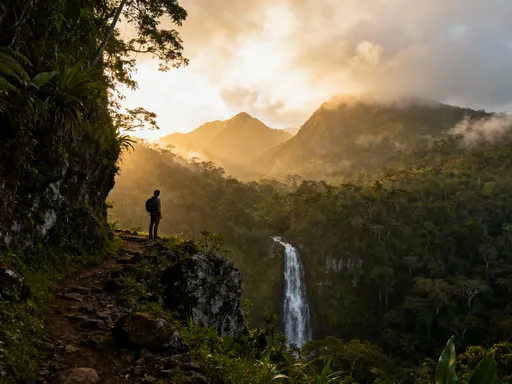
Among Santiago de Cuba’s most breathtaking natural wonders is El Salto del Caburní, a 27-meter waterfall tucked deep in the highlands of the Sierra Maestra. Reaching it requires effort—a bumpy ride followed by a two-hour hike—but the reward is worth every step. The waterfall plunges into a crystal-clear pool surrounded by emerald ferns and moss-covered rocks, with sunlight filtering through the canopy in golden shafts. It’s the kind of place that makes you forget your phone, your schedule, even your worries. You simply stand there, humbled by nature’s quiet power.
The trail to El Salto del Caburní is not well marked, and conditions vary with the season. During the dry months, from November to April, the path is dusty and exposed in sections, making sun protection and hydration essential. In the rainy season, from May to October, the trail can become slippery and muddy, increasing the risk of falls. Hiring a local guide from the nearby village of San Lorenzo is highly recommended—not only for safety but also for the stories they share about the land, its history, and its people. These guides often know alternate routes, hidden viewpoints, and the safest spots to swim.
Another gem is the San Juan River and its surrounding forest trails, located just outside the city. This lush corridor offers excellent birdwatching opportunities, with species like the Cuban green woodpecker and the Oriente warbler flitting among the trees. The air here is thick with the scent of damp earth and wild herbs, and the constant murmur of water over stones creates a meditative atmosphere. Unlike more tourist-heavy areas, this is a place where locals come to fish, bathe, or simply escape the heat. Visitors are welcomed with quiet curiosity, not commercial pressure.
Siboney Beach, about 20 kilometers east of Santiago, offers a different kind of natural charm. Unlike the manicured shores of Guardalavaca, Siboney remains largely undeveloped. There are no sunbed rentals, no loud music, no cocktail vendors. Instead, you’ll find powdery sand, gentle waves, and the occasional fisherman mending his nets. The water is clear and warm, perfect for a peaceful swim. However, facilities are minimal—no restrooms, no food stands—so visitors must come prepared with water, snacks, and shade.
Yet not every recommended spot lives up to the hype. One viewpoint frequently promoted on travel blogs and social media—a dramatic cliffside overlook with panoramic ocean views—turns out to be underwhelming in person. The trail is poorly maintained, the so-called viewpoint is obscured by vegetation, and the promised view is often blocked by low clouds. More frustrating, some local drivers exaggerate its appeal to justify higher fares. The lesson? Not every “must-see” is worth the effort. Sometimes, the best experiences are the ones you stumble upon unexpectedly, like a hidden stream or a quiet hilltop with a farmer’s dog keeping watch.
Transportation Realities: Getting to Nature Without Losing Your Mind
One of the biggest challenges in exploring Santiago de Cuba’s natural sites is getting there. Public transportation exists, but it’s inconsistent and often ill-suited for reaching remote areas. Colectivos—shared vans or cars that follow loose routes—are affordable, with fares rarely exceeding a few CUCs, but they operate on unpredictable schedules and may not go beyond certain villages. If you’re heading to El Salto del Caburní or the San Juan River trails, relying solely on public transit can mean long waits, multiple transfers, and the risk of being stranded after dark.
Many travelers opt to hire a local driver for the day, which offers greater flexibility and safety. A private car or 4x4 can navigate the rough rural roads that colectivos avoid. However, this convenience comes with its own set of challenges. Prices are rarely fixed, and some drivers may quote inflated rates to tourists unfamiliar with local norms. The key is to negotiate clearly before departure, ideally with the help of a trusted hotel employee or tour contact. Asking for a written estimate or agreeing on a total price—not hourly rate—can prevent misunderstandings.
Road conditions in the countryside are another hurdle. Many routes to natural attractions are unpaved, riddled with potholes, and vulnerable to washouts during heavy rains. A vehicle with high clearance or four-wheel drive is strongly advised, especially during the rainy season. Even short drives can take much longer than expected due to detours, slow speeds, or unexpected stops to let livestock pass. Patience is not just a virtue here; it’s a necessity.
For those concerned about cost, sharing a ride with other travelers is a practical option. Many guesthouses and eco-lodges help coordinate group trips to popular destinations like El Salto del Caburní. This not only reduces expenses but also adds a layer of safety, as traveling in numbers is always wiser on isolated roads. The Cuban practice of mutual support, known as *compañerismo*, often extends to travelers—locals are usually happy to help connect visitors with reliable drivers or share advice about the best times to leave town.
Navigating Without Reliable Maps or Signals
Once you leave the city, don’t count on cell service. In the mountains and rural areas surrounding Santiago de Cuba, mobile coverage is spotty at best and nonexistent at worst. This means no Google Maps, no emergency calls, and no quick online searches when you’re unsure of the way. GPS apps may load previously downloaded maps, but even these can fail due to poor satellite reception in deep valleys or under thick tree cover.
The solution? Preparation. Before heading out, download offline maps using apps like Maps.me or Organic Maps. These tools can show trails, roads, and key landmarks without an internet connection. Still, they should be treated as guides, not guarantees. Paper maps are rare, and even local authorities may not have updated versions. The most reliable navigation tool is often a local guide who knows the terrain by heart.
Building rapport with people along the way can make a big difference. Small farmers, park rangers, or villagers may not speak fluent English, but a few basic Spanish phrases and a respectful attitude go a long way. A simple '¿Por dónde queda el camino al río?' (Which way to the river?) accompanied by a smile often leads to enthusiastic directions, sometimes with hand-drawn sketches in the dirt. Many locals are proud of their land and happy to share its secrets with respectful visitors.
Trail marking is almost nonexistent. You won’t find color-coded signs, numbered posts, or painted blazes on trees. Instead, paths are maintained by use—worn footprints in the soil, stacked stones, or ribbons tied to branches by previous hikers. Staying on the right path requires constant attention. It’s easy to take a wrong turn at a fork, especially after rain has washed away footprints. Carrying a small notebook to jot down landmarks or taking photos of key junctions can help with orientation on the return trip.
What to Pack (And What to Leave Behind)
Packing for a nature excursion in Santiago de Cuba is less about fashion and more about function. The climate in the mountains can shift dramatically within a single day—hot and humid at midday, chilly and damp by evening. Layering is essential. A lightweight, quick-dry shirt, a long-sleeve sun-protective top, and a compact rain jacket or windbreaker are smart choices. Avoid cotton, which stays wet and increases the risk of chills.
Footwear is critical. Sturdy hiking shoes with good ankle support and grip are non-negotiable, especially for trails like El Salto del Caburní, where rocks can be slick and roots twist across the path. Flip-flops or city sneakers will not suffice. Bring blister prevention—moleskin or specialized tape—as trail conditions can be unforgiving. A wide-brimmed hat and polarized sunglasses help protect against strong Caribbean sun.
Water is another top priority. Tap water is not safe to drink, and natural streams, while tempting, may carry contaminants. A reusable water bottle with a built-in filter or purification tablets is essential. Plan to carry at least two liters per person for full-day hikes. Snacks are equally important. Outside the city, food options are extremely limited. Packing energy bars, nuts, dried fruit, or sandwiches ensures you won’t go hungry if your return is delayed.
Electronics should be kept minimal but strategic. A fully charged phone, even without signal, can serve as a flashlight, camera, or emergency tool. Power banks are indispensable—charging stations are scarce, and many rural homes rely on intermittent electricity. A small solar charger can be a wise investment for multi-day trips. However, resist the urge to overpack gadgets. The goal is to connect with nature, not document every second of it.
Interacting with Local Communities: Respect and Reciprocity
Many of Santiago de Cuba’s natural attractions lie within or near rural communities, some of which have ancestral ties to the land. As you hike through farmland or pass small wooden houses nestled in the hills, remember that you are a guest. It’s common for trails to cross private or communal property, and while there are no formal gates or entry fees, showing respect goes a long way.
Whenever possible, ask permission before entering a property or using a path. A simple greeting and a question like '¿Puedo pasar?' (May I pass?) can open the door to warm hospitality. In many cases, locals will not only grant access but offer guidance, water, or even a seat in the shade. These moments of human connection are often the most memorable part of the journey.
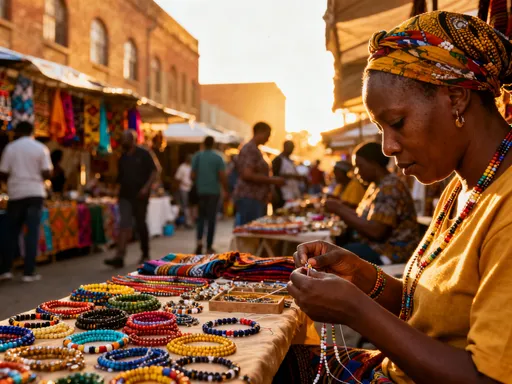
Supporting the local economy is one of the most meaningful ways to travel responsibly. Hiring a guide, buying a homemade lemonade from a roadside stand, or purchasing hand-carved souvenirs directly from artisans ensures that tourism benefits the people who live there. Avoid giving money to children or encouraging performative interactions—these can create dependency and distort cultural exchange.
Photography should be approached with sensitivity. Always ask before taking someone’s picture, especially in intimate or private settings. A smile and a gesture toward your camera are usually understood. Many locals are happy to pose if they feel respected. In return, offering to send a photo later—or printing one to leave with them—can build lasting goodwill.
Final Tips for a Smarter, Safer Nature Adventure
Weather can make or break a day in the wilderness. Before setting out, check the forecast with your guesthouse or a local contact. The rainy season brings lush greenery but also the risk of flash floods, especially in narrow river valleys. Trails near the San Juan River or below El Salto del Caburní can become dangerous after heavy downpours. If the sky looks threatening, it’s wiser to postpone your hike. Safety should always come before scenery.
Traveling with a companion is strongly advised, particularly on remote or less-traveled paths. There’s comfort in numbers, not just for emotional support but for practical reasons—someone to help if you twist an ankle, run out of water, or lose your way. Solo female travelers should take extra precautions, such as informing someone of their itinerary and carrying a whistle or personal alarm.
It’s also important to adjust your expectations. Cuban infrastructure is limited, and things rarely go exactly as planned. A promised ride might not show up, a trail might be blocked, a waterfall might be reduced to a trickle in the dry season. Instead of frustration, try curiosity. What can you learn from the delay? Who might you meet while waiting? Flexibility and openness are the keys to a rewarding experience.
Finally, remember that responsible tourism helps protect these fragile ecosystems for future generations. Stick to established paths to avoid damaging vegetation, carry out all trash, and avoid using soap or shampoo in natural water sources. The beauty of Santiago de Cuba’s wild side depends on the care of those who visit. When you choose to tread lightly, you become part of the solution—not the problem.
Exploring Santiago de Cuba’s natural side isn’t about flawless logistics—it’s about embracing the unexpected. Yes, there are frustrations: broken paths, vague directions, the occasional dead-end trail. But beneath those challenges lies something rare: unfiltered beauty, silent forests, and coastlines where the sea still feels wild. With the right preparation and mindset, you won’t just see nature here—you’ll truly experience it. And that’s worth every bump in the road.