Hyderabad Bites You Can’t Miss – A Local’s Plate of Secrets
Hyderabad isn’t just about grand forts and bustling bazaars—its soul lives on the plate. From sizzling kebabs to fragrant biryanis, every bite tells a story of Nizabi royalty and street-side hustle. I walked its lanes, chased smoky grills, and found flavors that surprised even my spice-hardened palate. This is more than food—it’s an experience, a rhythm, a delicious dive into culture. Let me take you where the real feasting begins.
The Flavor Heartbeat of Hyderabad
Hyderabad’s culinary identity pulses with history, shaped over centuries by the confluence of Deccan traditions and the refined tastes of the Nizams, the former royal rulers who presided over this city with a deep appreciation for opulence and flavor. Food in Hyderabad is not merely sustenance—it is celebration, heritage, and a point of pride passed down through generations. The city’s kitchens are where Persian elegance meets Indian boldness, where Mughal richness blends seamlessly with Telugu earthiness. This fusion is not accidental but intentional, born from centuries of cultural exchange, royal patronage, and the daily rhythm of life in a city that has always valued the art of dining.
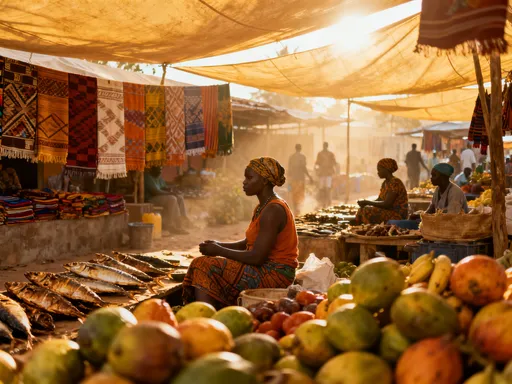
Walking through the older neighborhoods of Hyderabad, one is immediately enveloped by the scent of cumin, cardamom, and slow-cooked meat wafting from open-air kitchens and family-run eateries. The spice markets, particularly around Laad Bazaar and near Charminar, are a sensory revelation—mounds of red chili, turmeric, and saffron stacked in vibrant pyramids, their colors glowing under the afternoon sun. Vendors call out prices in a melodic mix of Urdu and Telugu, while housewives and chefs haggle for the freshest garam masala blends. These markets are not just commercial hubs but living archives of flavor, where recipes are whispered like secrets and ingredients are selected with reverence.
What sets Hyderabadi cuisine apart is its balance—between heat and sweetness, richness and restraint, tradition and adaptation. Meals are structured like symphonies, with each course playing a distinct role in the overall experience. Breakfast might begin with something light and milky, like a warm Osmania biscuit dipped in Irani chai, then build toward midday curries with deep, layered gravies, and culminate in the grand finale of biryani or kebabs at dinner. The use of dried fruits, nuts, and aromatic spices like saffron and kewra water reflects Persian influence, while the bold use of chilies and tamarind grounds the cuisine in South Indian sensibility. This duality makes Hyderabad’s food not just delicious but deeply expressive of its people and their layered past.
Where the Biryani Reigns Supreme
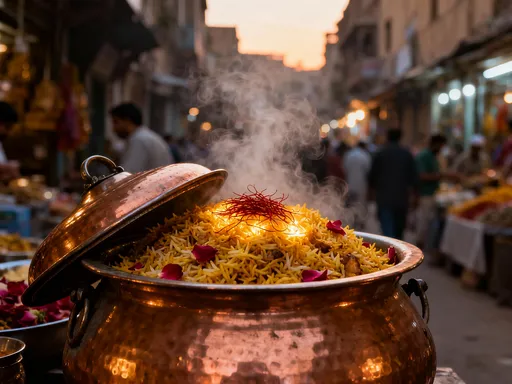
No discussion of Hyderabad’s food culture is complete without honoring its most iconic dish: Hyderabadi Biryani. More than a meal, it is a ritual, a culinary masterpiece that has earned global acclaim for its depth of flavor and meticulous preparation. What distinguishes Hyderabadi Biryani from other regional versions is its method—dum pukht, a slow-cooking technique where marinated meat and partially cooked rice are layered in a heavy-bottomed pot, sealed with dough, and cooked over a low flame. This allows the ingredients to steam in their own juices, infusing every grain of rice with the essence of spice, meat, and saffron.
The balance of spices is crucial. Unlike biryanis from other regions that rely heavily on pre-mixed powders, Hyderabadi versions use whole spices—cloves, cinnamon, star anise, and bay leaves—ground fresh and blended with yogurt, garlic, and ginger to create a marinade that tenderizes the meat while imparting complexity. The rice, typically long-grain basmati, is carefully washed and soaked to ensure it remains separate and fluffy after cooking. Saffron, often soaked in warm milk, is drizzled on top before sealing, lending the dish its signature golden hue and floral aroma. When the pot is finally opened, the burst of steam carries with it a fragrance that is both intoxicating and deeply comforting.
Experiencing biryani in Hyderabad is as much about context as it is about taste. In a heritage restaurant with chandeliers and white tablecloths, the dish arrives with ceremony—served on a large platter, often accompanied by mirchi ka salan and a cooling raita. The first bite reveals the perfect harmony of tender meat, fragrant rice, and just the right amount of heat. In contrast, at a roadside dhaba lit by flickering bulbs, the biryani might come in a steel tiffin box, eaten with hands under the open sky. Yet the flavor is no less authentic. The smoky char from the coal used in some dum pots adds an extra dimension, a reminder that great food thrives not only in palaces but on pavement corners.
Neighborhoods like Nampally, Begum Bazaar, and parts of Old City are known for their biryani craftsmanship, where families have been perfecting the same recipes for decades. While specific restaurant names may vary in reputation, the markers of authenticity remain consistent: rice that doesn’t clump, meat that falls off the bone, and a spice profile that lingers pleasantly without overwhelming. For visitors, the lesson is simple—seek out places where locals queue, where the air is thick with smoke and conversation, and where biryani is not just a menu item but a point of pride.
Beyond Biryani: The Unsung Street Eats
While biryani may wear the crown, Hyderabad’s street food scene is where the city’s culinary soul truly shines. Away from the spotlight, in narrow alleyways and bustling night markets, lie hidden gems that locals cherish with quiet devotion. These are the dishes that define late-night cravings, festival feasts, and family gatherings—humble yet unforgettable in their flavor and texture.
One such treasure is haleem, a slow-cooked stew that reaches its peak during the holy month of Ramadan. Made from wheat, barley, lentils, and meat—usually goat or chicken—haleem is simmered for hours until it reaches a thick, porridge-like consistency. The final product is rich, deeply savory, and generously garnished with fried onions, ginger, lemon, and a sprinkle of ghee. What makes haleem special is not just its taste but its ritual—families gather before dawn to break their fast with steaming bowls of this nourishing dish, often sourced from renowned stalls that open only during Ramadan. The demand is so high that many places sell out by mid-morning, a testament to its beloved status.
Another street favorite is kheema pav, a spiced minced meat dish served with soft, buttered bread rolls. Found mostly in Muslim-majority neighborhoods like Tolichowki and Yakutpura, kheema pav is a breakfast staple or late-night snack, often eaten with a side of green chutney and raw onions. The meat is cooked with ginger, garlic, green chilies, and a touch of turmeric, giving it a vibrant color and a kick that warms the body. Eating it with hands enhances the experience—the soft pav soaks up the juices, creating a satisfying blend of textures.
Equally iconic is mirchi ka salan, a tangy and mildly spicy curry made with long green chilies, peanuts, and sesame seeds. Often served alongside biryani, it provides a cooling contrast to the heat of the rice. The sauce is thick, nutty, and subtly sweet, with a complexity that unfolds with each bite. Then there is double ka meetha, a bread pudding dessert made from fried bread slices soaked in sweetened milk, flavored with cardamom and saffron, and topped with nuts. It is rich, decadent, and often reserved for special occasions, reflecting the Nizami love for indulgent sweets.
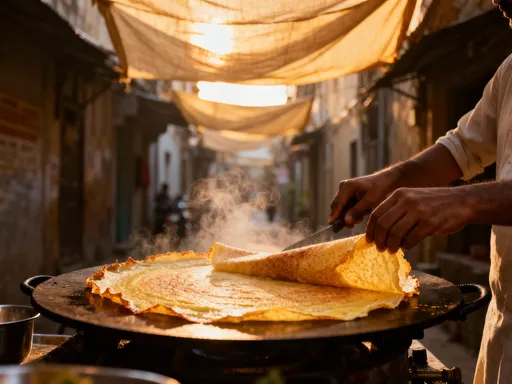
These dishes are best enjoyed at roadside stalls where the cooking is visible, the turnover is high, and the clientele is entirely local. The atmosphere is electric—vendors shout orders, flames leap from grills, and the clatter of steel plates forms a constant background rhythm. To eat here is to participate in a living tradition, one where flavor is prioritized over formality and authenticity is measured in taste, not ambiance.
Following the Local Food Trail
To truly understand Hyderabad’s food culture, one must follow the rhythm of a local’s day—a progression of meals that begins at dawn and often stretches into the early hours of the next morning. The city wakes slowly, with the first light bringing the aroma of fresh chai from corner tea stalls. By 7 a.m., the Irani cafes—old-world establishments with checkered tablecloths and vintage decor—begin to fill with office workers, students, and retirees, all drawn by the comforting warmth of milky, sweetened tea and the soft crunch of Osmania biscuits.
By mid-morning, the pace shifts. In markets like Sultan Bazaar and Tolichowki, housewives inspect fresh produce, negotiate for the best cuts of meat, and pick up spices from trusted vendors. Lunch is typically a home-cooked affair, featuring rice, dal, curd, and a vegetable or meat curry. In many households, the flavors are milder than those found in restaurants, designed to be nourishing rather than overwhelming. Yet even these everyday meals carry the imprint of Hyderabadi identity—tamarind in the sambar, a hint of garam masala in the dal, and always, a side of pickled mango or lime.
Evenings are when the city’s culinary energy peaks. As the sun sets, the streets around Charminar come alive with food vendors setting up their carts. The air fills with the scent of grilling kebabs, frying parathas, and simmering soups. This is the time to explore—walking through the lanes, sampling small bites, and letting curiosity guide the palate. Kebabs, in particular, are a highlight. From the succulent sheekh kebabs to the delicate boti kebabs marinated in yogurt and spices, each variant offers a different expression of flavor and texture.
For those visiting during Ramadan, the food trail takes on a sacred dimension. Iftar—the meal to break the fast—transforms the city into a feast. From sunset onward, entire streets are lined with stalls offering dates, fruit chaat, samosas, and, of course, haleem. Families gather in parks and courtyards, sharing meals with neighbors and strangers alike. The sense of community is palpable, and the food, prepared with care and devotion, tastes all the more meaningful. Even outside Ramadan, the spirit of generosity lingers in the way meals are shared, portions offered, and guests welcomed.
Tea, Chai, and the Culture of Pausing
At the heart of Hyderabad’s social life is the humble cup of Irani chai—a milky, sweet tea brewed strong and served in small glasses. More than just a drink, it is a symbol of connection, a reason to pause, converse, and reconnect. The Irani cafes that serve it—places like Cafe Niloufer, Paradise, and smaller, unnamed establishments tucked into residential lanes—have been part of the city’s fabric for over a century. Many were started by Persian immigrants who brought with them not only their tea recipes but also a culture of hospitality and quiet observation.
These cafes are unassuming—often with cracked tiles, ceiling fans that creak in the heat, and shelves lined with glass jars of biscuits. The tea is poured from large kettles, its color a rich amber, and served with a side of Osmania biscuits, their slightly sweet, buttery flavor perfectly complementing the tea’s boldness. The ritual is simple: sit, sip, talk, repeat. Conversations here are unhurried, spanning politics (though not in a partisan way), family news, cricket matches, and the day’s menu. Time slows down, not by design but by default, because no one is in a rush to leave.
The cultural significance of Irani chai lies in its accessibility. It costs little, yet it offers much—warmth, energy, and a sense of belonging. It is drunk by CEOs and laborers alike, making it one of the few truly democratic spaces in the city. For visitors, sitting in one of these cafes is not just about tasting a beverage but about experiencing a way of life—one that values human connection over speed, tradition over trend, and simplicity over spectacle.
Balancing Heat: Cooling Sides and Sweet Endings
Hyderabadi cuisine, while rich and often spicy, is never one-dimensional. A well-composed meal always includes elements designed to cool, cleanse, and complement. Raita, a yogurt-based side, is a staple—often mixed with cucumber, boondi, or onions, and seasoned with roasted cumin. Its cool creaminess provides immediate relief from the heat of a spicy curry or kebab. Similarly, dahi vada—lentil dumplings soaked in seasoned yogurt and topped with tamarind chutney and spices—offers a refreshing contrast in both temperature and texture.
Fruit chaat is another favorite, especially in the warmer months. A colorful mix of chopped apples, bananas, pomegranate, and cucumber, tossed with lemon juice, chaat masala, and a hint of mint, it is both hydrating and invigorating. Served in paper cones or small bowls, it is a common street snack, often eaten as a palate cleanser between heavier dishes.
But no meal feels complete without dessert. Hyderabadi sweets are rich, often milk-based, and deeply tied to festivals and family celebrations. Qubani ka meetha, made from dried apricots cooked in sugar syrup and garnished with cream and almonds, is a signature dish, especially during Eid. Its deep red color and velvety texture make it as visually striking as it is delicious. Sheer khurma, a vermicelli pudding enriched with milk, dates, and nuts, is another festive favorite, traditionally served at dawn after Eid prayers. Malpua, deep-fried pancakes soaked in sugar syrup and sometimes paired with rabri (a thickened milk dessert), offers a crisp-on-the-outside, soft-on-the-inside indulgence that lingers on the tongue.
These desserts are not eaten daily but reserved for moments of joy—birthdays, weddings, religious occasions. Their richness reflects the Nizami legacy of opulence, yet their preparation remains a family affair, often passed down from grandmother to granddaughter. For travelers, trying these sweets is not just about satisfying a sweet tooth but about participating in a culture that views food as an offering, a gesture of love, and a way to mark time.
Eating Like a Local: Practical Tips for Food Travelers
For visitors eager to dive into Hyderabad’s food scene, a few practical tips can make the experience safer, more enjoyable, and more authentic. First, seek out stalls and restaurants where locals eat—especially those with long queues or repeat customers. High turnover usually means fresh ingredients and consistent quality. Look for places where food is cooked to order, with visible grills and open kitchens, as this allows you to observe hygiene practices.
Timing matters. Some dishes, like haleem, are seasonal and available only during Ramadan. Others, like fresh kebabs or biryani, are best enjoyed at lunchtime or early evening when batches are freshly prepared. Arriving too late may mean reheated food or limited portions. Similarly, Irani cafes are liveliest in the morning and late afternoon, so plan visits accordingly.
If you’re sensitive to spice, don’t hesitate to ask for milder versions. Many vendors are happy to adjust heat levels upon request. You can also balance spicier dishes with cooling sides like raita, curd, or fruit chaat. Drinking plenty of water or buttermilk (chaas) helps soothe the palate and aids digestion.
Learning a few basic food-related phrases in Urdu or Telugu—such as “thoda kam mirch” (a little less chili) or “garam” (hot)—can go a long way in building rapport with vendors. Tipping is appreciated but not always expected; a smile and a thank you are often enough. Finally, consider visiting during off-peak hours to avoid crowds and enjoy more personalized service.
Most importantly, approach the food with respect and curiosity. Hyderabadi cuisine is not just about taste—it’s about tradition, memory, and identity. Every dish carries a story, every flavor a legacy. When you eat in Hyderabad, you’re not just feeding your body; you’re becoming part of a living history, one delicious bite at a time. Let the aromas guide you, the locals welcome you, and the flavors stay with you long after you’ve left the city. In the end, it’s not just what you eat—it’s how it makes you feel. And in Hyderabad, that feeling is pure joy.