Genoa’s Festival Soul: Where Every Corner Pulses with Celebration
You know that feeling when a city just comes alive? That’s Genoa during festival season. I’m talking vibrant processions, centuries-old traditions, and streets buzzing with energy you can’t fake. I didn’t expect this coastal gem to hit me so hard, but its festivals—deeply rooted, wildly colorful—completely redefined my trip. If you’re chasing authentic cultural moments, Genoa’s celebration scene is an absolute must-see. Let me take you through the heartbeat of its festive soul.
The Spirit of Genoa: More Than Just a Port City
Often overlooked in favor of more famous Italian destinations, Genoa reveals its true character not through grand monuments alone, but in the rhythm of its people and the pulse of its streets during festival time. Nestled along the rugged Ligurian coast, this historic port city has long served as a crossroads of Mediterranean cultures, shaped by centuries of maritime trade, naval power, and regional pride. Its labyrinthine alleyways, known as *caruggi*, wind like veins through the old town, connecting piazzas that transform into stages for celebration when the festival season begins.
Unlike staged performances crafted solely for tourists, Genoa’s festivals are deeply woven into the fabric of daily life. They are expressions of faith, family, and local identity, passed down through generations with quiet reverence and joyful enthusiasm. These events are not reenactments—they are lived traditions, where grandmothers light candles for saints, children wave handmade flags, and neighbors gather in shared courtyards to cook, sing, and celebrate together. The energy is palpable, not because it’s performed, but because it’s genuine.
What sets Genoa apart is how its maritime legacy infuses every celebration. The sea is never far from the city’s consciousness, and many festivals honor the protection of sailors, the bounty of the waters, and the resilience required to live beside such a powerful force. Religious processions often begin or end at the harbor, where fishing boats are adorned with garlands and lights, linking spiritual devotion with livelihood. This blend of the sacred and the practical, the historical and the heartfelt, gives Genoese festivals a depth that resonates long after the music fades.
Walking through the city during one of these celebrations feels like stepping into a living story. The scent of fresh basil from nearby markets mingles with the salt air, while the sound of brass bands echoes off centuries-old stone walls. Locals spill out of homes and cafes, greeting one another with warm embraces and trays of homemade treats. There’s a sense of belonging here—a feeling that you’re not just witnessing a tradition, but being invited to share in it, even as a visitor. That inclusiveness is part of what makes Genoa’s festival spirit so enduring.
La Festa della Madonna della Guardia: Devotion in Full Color
One of the most profound expressions of Genoa’s spiritual heart is the annual celebration of the Festa della Madonna della Guardia, held each September in honor of the city’s beloved patroness. This religious festival draws thousands of pilgrims, families, and faithful from across Liguria and beyond, converging on the Sanctuary of Nostra Signora della Guardia, perched high in the hills overlooking the city. The journey itself is part of the devotion—many walk for hours along winding paths, some barefoot, others carrying candles or small wooden crosses as acts of penance or gratitude.
As dusk falls, the mountain path glows with flickering torchlight. A solemn procession winds upward, led by robed clergy and local confraternities in traditional vestments. Hymns rise into the cool evening air, their melodies carried by the wind down to the city below. The atmosphere is reverent yet joyful—a blend of prayer and celebration that reflects the deep intertwining of faith and community in Genoese culture. For many, this pilgrimage is not a one-time event but a lifelong tradition, repeated year after year with quiet determination.
The sanctuary, a grand neoclassical structure completed in the early 20th century, becomes the focal point of the festivities. Inside, the statue of the Madonna is adorned with fresh flowers and votive offerings—tokens of answered prayers and enduring devotion. A special Mass is celebrated with regional choirs performing sacred music that echoes through the vaulted nave. The liturgy is conducted with solemn dignity, yet there is warmth in the way the priest greets the congregation, often pausing to bless children or embrace elderly parishioners.
Outside, the festival extends beyond the sacred. Families gather on the surrounding terraces, sharing meals of simple, home-cooked food—bread, cheese, and slices of focaccia still warm from the oven. Children play near the stone railings, their laughter blending with the distant sound of church bells. Local artisans set up small stalls selling religious medals, hand-painted icons, and olive wood carvings, their wares reflecting both faith and craftsmanship. The view from the hilltop is breathtaking: Genoa sprawls below, its lights twinkling like stars along the curve of the bay, a city both protected and inspired by the presence above.
What makes this festival so powerful is not just its scale, but its sincerity. There is no commercialization, no performative spectacle—only the quiet power of shared belief and communal gratitude. For visitors, it offers a rare opportunity to witness a tradition that is not put on display, but lived with humility and heart. It’s a reminder that in Genoa, celebration and devotion are not separate, but deeply connected threads in the same cultural tapestry.
Genoa International Flower Show: A Burst of Spring Energy
If the Festa della Madonna della Guardia speaks to the soul, the Genoa International Flower Show awakens the senses. Held each spring along the revitalized stretch of the Old Port, this vibrant event transforms the waterfront into a blooming paradise of color, fragrance, and artistic expression. What began as a modest horticultural exhibition has grown into one of the Mediterranean’s most anticipated floral festivals, attracting designers, gardeners, and nature lovers from across Europe and North Africa.
The heart of the show lies in its elaborate installations—immersive gardens crafted from thousands of flowers, succulents, and native plants arranged in thematic displays. One year might feature a tribute to Mediterranean coastal ecosystems, with lavender fields, olive groves, and simulated sea cliffs. Another might celebrate historic Italian gardens, recreating the symmetry and elegance of Renaissance landscapes. These installations are not static; they are designed to be walked through, touched, and experienced, inviting visitors to slow down and reconnect with the natural world.
Along the promenade, local nurseries and floral artisans set up open-air markets, offering everything from potted citrus trees to rare heirloom seeds. The air is rich with the scent of jasmine, rosemary, and damp earth. Visitors can attend workshops on sustainable gardening, learn about pollinator-friendly plants, or simply enjoy a cup of herbal tea at a pop-up café shaded by flowering wisteria. Children press their faces into bouquets of peonies, while photographers capture the perfect angle of light filtering through petals.
Evenings bring a different kind of energy. The flower show becomes a stage for open-air concerts, where jazz trios, folk ensembles, and classical quartets perform beneath strings of soft lanterns. Families spread blankets on the grassy slopes near the aquarium, sharing picnics as music drifts across the water. The atmosphere is relaxed, inclusive, and deeply joyful—a celebration of renewal, beauty, and the simple pleasure of being outdoors.
What makes this festival particularly meaningful is its role in revitalizing public space. Once an industrial port area, the Old Port has been reimagined as a cultural and recreational hub, and the flower show is a key moment in its annual rhythm. It draws locals back to the waterfront, not just as spectators, but as participants in a shared appreciation of nature and design. For families, it’s a chance to teach children about plant life cycles and seasonal change. For older residents, it’s a return to a tradition of tending small balconies and window boxes, a practice born from necessity in Genoa’s narrow, vertical cityscape.
The Genoa International Flower Show is more than a visual feast—it’s a statement of care. In a world increasingly dominated by concrete and screens, this festival reminds us of the importance of green spaces, biodiversity, and the quiet joy of watching something grow. It’s a celebration not just of flowers, but of life itself, and it does so in a way that feels both grand and intimate, public and personal.
Street Food & Celebration: How Flavor Fuels the Festivities
No festival in Genoa is complete without food—and not just any food, but the kind that carries generations of flavor in every bite. Culinary tradition here is not a sideshow; it is central to the experience of celebration. From the first notes of the brass band to the final spark of the evening fireworks, the aroma of sizzling oil, fresh basil, and wood-fired ovens fills the air, guiding both locals and visitors from one gathering to the next.
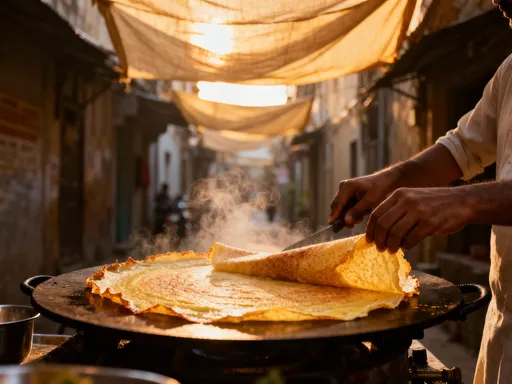
At the heart of Genoese festival cuisine is *farinata*—a simple yet iconic chickpea pancake baked in wood-fired ovens until golden and crisp at the edges, soft in the center. Served hot from the pan, often folded into paper cones, it’s a staple at street stalls and family gatherings alike. Equally essential is *trofie al pesto*, the region’s beloved pasta dish made with hand-rolled noodles and a sauce of fresh basil, pine nuts, garlic, Parmesan, and olive oil. During festivals, you’ll find communal pots simmering in open kitchens, with volunteers stirring vats of sauce and serving heaping portions to anyone who lines up.
Seafood also takes center stage. Given Genoa’s coastal location, it’s no surprise that fried calamari, anchovies, and baby octopus are festival favorites. Stalls near the port fry baskets of seafood to order, the scent of garlic and lemon drawing crowds like a siren’s call. Families gather around folding tables, dipping morsels into lemon wedges and sharing stories between bites. For many, these meals are more than nourishment—they are rituals, connecting the present to memories of childhood summers, grandmothers’ kitchens, and Sunday lunches after Mass.
What’s remarkable is how food functions as a bridge between generations and communities. Recipes are passed down orally, often without written instructions, preserved through practice rather than documentation. A grandmother might teach her granddaughter how to roll trofie by hand, or a fisherman’s wife might share her method for cleaning anchovies at a neighborhood feast. These moments of transmission happen quietly, in the background of the celebration, yet they are essential to keeping tradition alive.
And it’s not just about taste—it’s about rhythm. Festival foods are tied to the seasons: artichokes in spring, figs in late summer, chestnuts in autumn. This connection to natural cycles gives Genoese celebrations a grounding quality, reminding people that joy is not disconnected from the earth, but grown from it. Even the act of eating together—on shared tables, with reused plates and laughter echoing down narrow alleys—reinforces a sense of belonging and continuity.
Navigating the Festive Crowd: Smart Tips for an Immersive Visit
Experiencing Genoa’s festivals firsthand is unforgettable, but a little preparation goes a long way in ensuring your visit is both enjoyable and respectful. The city’s narrow streets and steep inclines can make large crowds challenging to navigate, especially during peak events like the Madonna della Guardia procession or the opening weekend of the Flower Show. Arriving early is one of the simplest yet most effective strategies—aim to reach key locations at least an hour before scheduled events to secure a good viewing spot and avoid the crush of last-minute arrivals.
Public transportation is reliable and well-integrated, with frequent bus and metro service connecting major neighborhoods to the city center. During festivals, additional routes and extended hours are often added, so checking the AMT Genova website or app in advance can help you plan your route efficiently. If you’re attending events in the hills, such as the sanctuary pilgrimage, consider taking the funicular from the city center—it’s both scenic and practical, offering panoramic views as you ascend above the urban bustle.
While the main plazas and processional routes draw the largest crowds, some of the most memorable moments happen just off the beaten path. Seek out quieter viewpoints—like the upper terraces of the Spianata di Castelletto or the gardens near Villa Durazzo in Pegli—where you can observe the festivities from a more relaxed vantage point. These spots often offer stunning photo opportunities and a chance to absorb the atmosphere without the sensory overload of the front lines.
Respecting local customs is equally important. When attending religious events, dress modestly—avoid shorts, sleeveless tops, or loud patterns. Silence your phone and refrain from intrusive photography, especially during moments of prayer or solemn procession. If you’re invited into a private courtyard or family gathering, accept with gratitude and follow the lead of your hosts. A simple “grazie” or “buona festa” goes a long way in building goodwill.
For a more immersive experience, consider staying in residential neighborhoods like Albaro, Nervi, or Boccadasse, where you’ll find quieter accommodations and a more authentic sense of daily life. These areas are well-connected by public transit and offer a gentler pace, making them ideal bases for exploring both the festivals and the surrounding coastline. Many guesthouses and family-run hotels open their doors during peak season, often run by locals who are happy to share insider tips and personal stories.
Beyond the Main Events: Hidden Neighborhood Celebrations
While the major festivals draw well-deserved attention, some of Genoa’s most meaningful celebrations unfold far from the tourist brochures. In neighborhoods like Sampierdarena, Cornigliano, and Bolzaneto, local *feste di quartiere*—community festivals—take place each summer, organized by parish groups, cultural associations, and volunteer committees. These grassroots events may lack the scale of the Flower Show or the Madonna della Guardia pilgrimage, but they offer something even more valuable: an unfiltered glimpse into the heart of Genoese life.
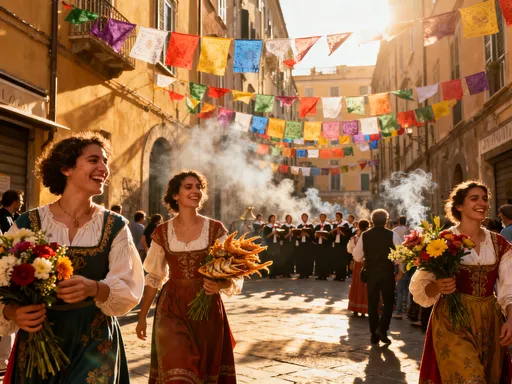
Picture a small piazza strung with colored lights, a brass band playing lively tarantellas as children dance in circles. A long table runs down the center, laden with platters of homemade lasagna, grilled vegetables, and pitchers of *acqua fresca*. Elderly neighbors sit together on folding chairs, fanning themselves and reminiscing, while teenagers help serve food and reset chairs between courses. There’s no stage, no ticketing, no advertising—just the simple act of coming together.
These neighborhood festivals often include modest parades, with local school bands marching through side streets, or bonfires lit at dusk as a symbol of community unity. Some honor local saints with small processions, while others celebrate harvests or historical events unique to the district. What they all share is a spirit of generosity and continuity—events organized not for profit, but for the joy of gathering and the preservation of shared memory.
For visitors willing to venture beyond the historic center, these celebrations offer rare opportunities for authentic connection. Locals are often delighted to see outsiders showing genuine interest, and a friendly smile or compliment in broken Italian can open doors to conversation, shared meals, and lasting impressions. These moments don’t happen on itineraries—they emerge spontaneously, born of mutual respect and curiosity.
Participating in a *festa di quartiere* isn’t about ticking off a checklist; it’s about slowing down, listening, and allowing yourself to be part of something larger. It’s in these unscripted interactions—sharing a plate of fried vegetables with a retired shipyard worker, dancing awkwardly to a folk tune, or receiving a hand-painted blessing from a child—that the true spirit of Genoa reveals itself.
Why Genoa’s Festivals Matter: Culture, Connection, Continuity
In an age of fast travel and fleeting experiences, Genoa’s festivals stand as a testament to the enduring power of tradition. They are not mere attractions, but living expressions of identity, resilience, and community. Each procession, each shared meal, each note of music played in a crowded piazza serves as a thread in a larger tapestry—one that connects past to present, family to neighborhood, individual to city.
These celebrations matter because they preserve what can’t be digitized or mass-produced: the warmth of a hand-kissed greeting, the pride in a centuries-old recipe, the collective breath held as a statue is carried through the rain. They remind us that culture is not something to be consumed, but something to be lived, passed down, and protected. In Genoa, festivals are not interruptions to daily life—they are its heartbeat.
For visitors, especially those seeking meaningful travel experiences, Genoa offers something rare: the chance to step into a story that welcomes you in. You don’t need to speak the language fluently or know the history in detail—only to arrive with open eyes and an open heart. Whether you’re standing in silent reverence at a hilltop sanctuary or laughing over a shared plate of farinata in a candlelit alley, you become part of the moment, if only briefly.
And that’s the magic of Genoa’s festival soul. It doesn’t perform for you—it invites you in. It doesn’t sell you an experience—it offers you a place at the table. In a world that often feels fragmented and hurried, that kind of belonging is priceless. So if you’re ready to move beyond sightseeing and into true connection, let Genoa’s celebrations guide the way. The city isn’t just waiting to be seen—it’s waiting to be felt.