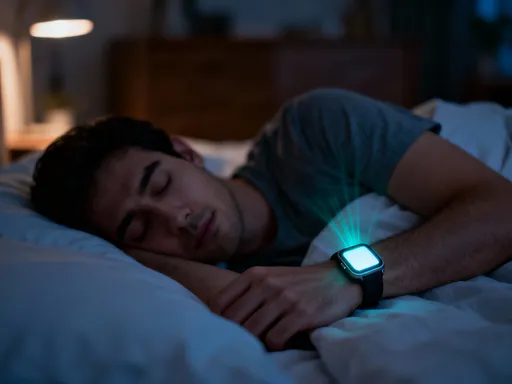
You’re Not Just Tired—Here’s What Your Sleep Is Trying to Tell You
Ever wake up feeling like you barely slept, even after eight hours in bed? You’re not alone. Poor sleep quality silently affects millions, impacting focus, mood, and long-term health. The good news? With simple, science-backed monitoring tools and habits, you can start understanding your sleep patterns—no doctor visit required. This guide breaks down how tracking your rest can unlock deeper recovery, better energy, and real change, starting tonight.
The Hidden Problem: Why You Still Feel Drained Despite “Enough” Sleep
Many women in their 30s, 40s, and 50s report spending eight hours in bed, only to rise feeling heavy, unfocused, and emotionally fragile. They assume they are doing everything right—going to bed on time, avoiding caffeine, and keeping a routine—but still feel unrested. The truth is, sleep duration alone does not guarantee restoration. Sleep quality, which refers to how deeply and continuously you sleep, plays a far more critical role in how refreshed you feel each morning. A person might log seven hours of sleep, yet if much of that time is spent in light sleep or interrupted by micro-awakenings, the body never reaches the restorative stages needed for true recovery.
Common signs of poor sleep quality include persistent fatigue, difficulty concentrating, irritability, and a sense of mental fog that lingers into the afternoon. These symptoms are often dismissed as part of aging or busy lifestyles, but they are not normal or inevitable. In fact, they are signals from the body indicating that something is off in the nightly recovery process. Frequent nighttime awakenings—sometimes so brief they’re not even remembered—can fragment sleep architecture and prevent the brain from completing full sleep cycles. This kind of disrupted sleep leaves the nervous system in a state of low-grade stress, which over time contributes to hormonal imbalances, weakened immunity, and reduced emotional resilience.
Imagine preparing dinner while distracted—chopping slowly, forgetting ingredients, burning the pan. That’s what your brain feels like after non-restorative sleep. Daily tasks become harder, patience wears thin, and small stressors feel overwhelming. Relationships suffer when fatigue turns minor disagreements into major arguments. Work performance declines not from lack of effort, but from impaired cognitive function. The cumulative effect of poor sleep is not just tiredness; it’s a slow erosion of well-being that many women accept as part of their reality. But it doesn’t have to be this way. Recognizing these subtle signals is the first step toward reclaiming energy and clarity.
Sleep as a Window Into Your Health: The Role of Monitoring
Sleep is more than a passive state of rest—it is an active, dynamic process that reflects the overall condition of your body and mind. Just as blood pressure or heart rate provides a snapshot of cardiovascular health, your sleep patterns offer valuable insights into your stress levels, hormonal balance, and nervous system function. When tracked consistently, sleep data can reveal hidden patterns linked to lifestyle choices, emotional well-being, and even early signs of underlying health conditions. For example, a sudden drop in deep sleep may coincide with increased work stress or a change in routine, while prolonged REM disruptions could signal emotional strain or anxiety.
The human sleep cycle consists of four main stages: light sleep, deep sleep, and two phases of REM (rapid eye movement) sleep, which repeats multiple times throughout the night. Each stage serves a unique purpose. Light sleep acts as a transition into deeper rest. Deep sleep, often called “slow-wave” sleep, is when the body repairs tissues, strengthens immunity, and consolidates physical recovery. REM sleep, where most dreaming occurs, supports emotional regulation, memory integration, and cognitive flexibility. A healthy night includes multiple cycles through these stages, ideally with sufficient time spent in both deep and REM phases. When one or more stages are consistently shortened or disrupted, the body misses out on essential restoration.
Monitoring sleep is not about achieving perfect numbers every night—it’s about building awareness. Just as stepping on a scale helps track weight trends, sleep tracking helps identify patterns over time. For instance, a woman might notice that after late dinners or screen use past 9 p.m., her deep sleep drops by 20%. This kind of personalized insight empowers informed choices. It shifts the conversation from guessing (“Maybe I should go to bed earlier”) to knowing (“When I eat dinner before 7 p.m., I fall asleep faster and sleep more soundly”). The goal is not perfection, but progress through self-awareness.
From Guesswork to Data: Tools That Make Sleep Visible
For decades, people judged their sleep based solely on how they felt in the morning. But feelings can be misleading. Fatigue might be blamed on aging, when in reality, it stems from repeated sleep interruptions that go unnoticed. Today, wearable technology has transformed sleep from an invisible process into something measurable and understandable. Devices like fitness trackers, smartwatches, and dedicated sleep bands use sensors to monitor movement, heart rate, breathing patterns, and heart rate variability (HRV)—a key indicator of nervous system balance. These tools provide objective data that goes far beyond subjective impressions.
Many of these devices are designed with everyday users in mind. They are affordable, easy to use, and integrate seamlessly into nightly routines. A simple wristband can detect when you fall asleep, how often you wake up, and how much time you spend in light, deep, and REM sleep. Some apps even offer sleep scores, combining multiple metrics into a single number that reflects overall sleep quality. While no consumer device is as precise as a clinical sleep study, they are accurate enough to identify trends and highlight areas for improvement. The key is consistency—using the device regularly to build a reliable picture of your sleep patterns over time.
When choosing a sleep tracking tool, it’s important to focus on usability and reliability rather than advanced features. Look for devices with long battery life, comfortable wearability, and clear, easy-to-read reports. Some models offer smart alarms that wake you during a light sleep phase, helping you rise more refreshed. Others provide insights into bedtime routines, such as screen time before bed or alcohol consumption, and how these habits correlate with sleep quality. The best tools don’t overwhelm with data—they translate it into actionable feedback. The goal is not to obsess over every number, but to use data as a guide for making smarter, more informed choices about daily habits.
What Your Body Is Tracking: Key Metrics That Actually Matter
With so much sleep data available, it’s easy to feel overwhelmed. But not every number is equally important. To avoid confusion, focus on a few key metrics that truly reflect sleep quality and recovery. Total sleep time is the foundation—most adults need between 7 and 9 hours per night, though individual needs vary. However, more sleep isn’t always better. Sleeping significantly beyond your natural need can lead to grogginess and may indicate underlying issues like depression or sleep apnea.
Sleep onset latency—how long it takes you to fall asleep—is another crucial measure. Falling asleep in 15 to 20 minutes is typical for well-rested individuals. Taking longer than 30 minutes regularly may suggest stress, poor sleep hygiene, or an irregular schedule. On the other hand, falling asleep within minutes every night could indicate sleep deprivation, meaning your body is in a state of extreme catch-up. Both extremes warrant attention.
The number of nighttime awakenings is a strong indicator of sleep continuity. Waking up once or twice is normal, but frequent disruptions—three or more—can severely impact sleep quality. These awakenings may be brief and forgotten by morning, but they break the sleep cycle and reduce time in deep and REM stages. Sleep efficiency, calculated as the percentage of time in bed actually spent sleeping, is another useful metric. A score above 85% is considered good. For example, if you spend 8 hours in bed but only sleep for 6.5, your efficiency is 81%, suggesting room for improvement.
Time spent in deep and REM sleep is where true restoration happens. Deep sleep typically makes up 15–25% of total sleep, while REM accounts for 20–25%. These percentages can fluctuate based on age, lifestyle, and health. A temporary drop is not alarming, but a consistent decline may signal chronic stress, poor diet, or inadequate physical activity. Real-life examples show how small changes can make a difference. One woman improved her deep sleep by lowering her bedroom temperature to 68°F, aligning with the body’s natural drop in core temperature at night. Another reduced nighttime awakenings by switching from late-night scrolling to reading a physical book, minimizing blue light exposure. These are not drastic measures—just informed adjustments guided by data.
Building Better Habits: Small Shifts That Improve Sleep Quality
Data is powerful, but it only leads to change when paired with action. The most effective sleep improvements come not from quick fixes, but from consistent, science-backed habits. One of the most impactful changes is maintaining a regular sleep schedule. Going to bed and waking up at the same time every day—even on weekends—helps regulate the body’s internal clock, or circadian rhythm. This consistency strengthens the natural release of melatonin, the hormone that signals sleepiness, making it easier to fall asleep and wake up feeling refreshed.
Another key factor is managing light exposure, especially in the evening. Blue light from screens—phones, tablets, TVs—suppresses melatonin production and tricks the brain into thinking it’s still daytime. Reducing screen time at least one hour before bed can significantly improve sleep onset and quality. Using night mode settings or wearing blue light-blocking glasses in the evening can also help. Instead of scrolling, consider calming activities like reading, gentle stretching, or listening to soft music. These rituals signal to the body that it’s time to wind down, creating a mental and physical transition from wakefulness to rest.
Caffeine timing matters more than many realize. While morning coffee is unlikely to interfere, consuming caffeine after 2 p.m. can disrupt sleep for some people, especially as metabolism slows with age. Caffeine has a half-life of about 5 to 6 hours, meaning even an afternoon tea or chocolate can leave enough stimulant in the system to delay sleep onset. Being mindful of hidden sources—like certain medications or energy bars—can make a difference. Similarly, alcohol may make you feel drowsy at first, but it fragments sleep later in the night, reducing REM and deep sleep. Limiting alcohol, especially within three hours of bedtime, supports more continuous, restorative rest.
Diet and physical activity also play essential roles. Eating heavy or spicy meals close to bedtime can cause discomfort and indigestion, leading to nighttime awakenings. A light snack with tryptophan—like a banana with almond butter or a small serving of turkey—may support sleep by aiding melatonin production. Regular physical activity, especially outdoors in natural light, strengthens circadian rhythms and reduces stress. However, intense exercise too close to bedtime may be stimulating for some, so aiming for morning or afternoon workouts is often best. The key is pairing tracking with experimentation—trying one change at a time and observing its effect on your sleep data.
When to Seek Help: Knowing the Limits of Self-Monitoring
Self-tracking is a valuable tool, but it has its limits. While wearable devices can highlight patterns and guide lifestyle changes, they cannot diagnose medical conditions. If sleep problems persist despite consistent efforts to improve habits, it may be time to consult a healthcare provider. Certain symptoms should not be ignored. Chronic insomnia—difficulty falling or staying asleep for more than three nights a week over several months—can have serious health consequences and often requires professional evaluation.
Loud or frequent snoring, especially when accompanied by gasping or choking during sleep, may indicate obstructive sleep apnea, a condition where breathing repeatedly stops and starts during the night. This disorder disrupts oxygen flow, fragments sleep, and increases the risk of high blood pressure, heart disease, and stroke. Daytime sleepiness—such as feeling drowsy while driving or struggling to stay awake during quiet activities—is another red flag. It suggests the body is not getting adequate rest, regardless of time spent in bed.
Other warning signs include restless legs at night, unexplained fatigue despite good sleep habits, or mood changes like persistent low mood or anxiety. These may point to underlying conditions such as hormonal imbalances, thyroid issues, or mental health concerns. A healthcare provider can recommend a sleep study, blood tests, or other assessments to identify the root cause. Seeking help is not a sign of failure—it’s a proactive step toward better health. Many women hesitate to bring up sleep issues, thinking they should be able to handle it on their own. But just as you would see a doctor for persistent pain or fatigue, sleep deserves the same attention.
Sleep as a Daily Commitment: Making It Sustainable
Improving sleep is not a one-time project—it’s a lifelong practice. The goal is not to achieve perfect sleep every night, but to build sustainable habits that support consistent, high-quality rest over time. Tracking can be especially helpful in the beginning, offering motivation and clarity. But as new routines become second nature, the need for daily monitoring may decrease. Many people find success by using their devices periodically—once a week or during times of stress—to check in and stay on track without feeling overwhelmed.
Sleep is one of the most powerful forms of self-care. It affects every aspect of daily life: energy levels, emotional stability, focus, and even how we show up for our families and responsibilities. When sleep improves, everything else tends to follow. Mornings become easier, patience grows, and challenges feel more manageable. Over time, better sleep builds resilience—the ability to handle life’s ups and downs with greater calm and clarity.
Reframing sleep as a daily commitment, rather than a chore, can shift the mindset from obligation to empowerment. Instead of thinking, “I have to go to bed early,” consider, “I get to give my body the rest it needs to thrive.” This small change in perspective makes sleep feel like a gift, not a sacrifice. And because every woman’s needs are different, personal data becomes a trusted guide. It removes guesswork and replaces it with confidence—knowing what works for your unique body and lifestyle.
The journey to better sleep begins with a single night. It starts with noticing how you feel, asking questions, and being curious about your patterns. It grows with small, consistent choices—dimming the lights, setting a bedtime, tracking a few nights of rest. These actions, guided by awareness and supported by science, add up to lasting change. You’re not just tired. Your sleep is trying to tell you something. And now, you have the tools to listen.