How I Tamed My Cholesterol Without Pills—Real Talk on Natural Balance
You don’t have to wait for a doctor’s warning to take your health seriously. For years, I ignored my energy dips and post-meal sluggishness—until a routine check revealed high cholesterol. No symptoms, just silent risk. That moment flipped a switch. I dove into lifestyle changes, not quick fixes. This isn’t about drastic diets or magic solutions. It’s about consistent, smart choices that actually work. If your numbers are creeping up, this is your sign to rethink how you care for your body—naturally and sustainably.
The Wake-Up Call: When “Normal” Feels Off
It started with a blood test during an annual physical—an uneventful appointment, or so I thought. I wasn’t overweight. I didn’t smoke. I exercised occasionally and considered my diet “pretty good.” But when the doctor called to say my LDL cholesterol was borderline high, I felt both confused and alarmed. How could I look and feel mostly fine while my body was quietly sending warning signals?
Looking back, the clues were there. I often felt tired in the afternoon, even after a full night’s sleep. My mind wasn’t as sharp as it used to be—forgetting names, losing track of conversations. I chalked it up to stress or aging. But those subtle signs, paired with my lab results, pointed to something deeper: a slow metabolic imbalance. The human body is remarkably resilient, often compensating for years before a condition becomes urgent. Yet, that resilience can be deceptive. Just because you don’t feel sick doesn’t mean everything is functioning optimally.
That realization changed my perspective. I stopped viewing health as the absence of disease and started seeing it as the presence of balance. Cholesterol wasn’t the only issue—it was a marker. A red flag indicating that my lifestyle habits, while not reckless, weren’t supporting long-term wellness. I didn’t want to wait for a heart scan or a prescription. I wanted to act before the tipping point. And so, I began researching—not for a quick fix, but for sustainable, science-backed strategies to support my body’s natural ability to regulate itself.
Cholesterol Demystified: Not the Enemy, Just Misunderstood
One of the first things I learned was this: cholesterol is not inherently bad. In fact, it’s essential. Every cell in the body uses cholesterol to build cell membranes, produce hormones like estrogen and testosterone, and synthesize vitamin D. The liver produces about 80% of the body’s cholesterol; the rest comes from food. Without it, life wouldn’t be possible. The problem isn’t cholesterol itself—it’s when the balance is disrupted, leading to patterns that increase cardiovascular risk.
Doctors typically measure total cholesterol, but that number alone tells only part of the story. More important are the types: HDL (high-density lipoprotein) and LDL (low-density lipoprotein). HDL is often called “good” cholesterol because it carries excess cholesterol back to the liver for removal. Higher HDL levels are generally protective. LDL, known as “bad” cholesterol, delivers cholesterol to tissues—but when there’s too much, or when it becomes oxidized due to inflammation, it can contribute to plaque buildup in arteries.
What many people don’t realize is that not all LDL is the same. There are large, buoyant particles and small, dense ones. Research shows that small, dense LDL particles are more likely to penetrate artery walls and trigger inflammation, making them a greater risk factor than total LDL alone. This is why two people with the same LDL number might have very different heart disease risks. Inflammation, insulin resistance, and oxidative stress play major roles in this process—factors influenced more by diet and lifestyle than genetics.
So when a doctor checks cholesterol, they’re really assessing cardiovascular risk in context. They look at ratios—like the total cholesterol to HDL ratio, which should ideally be below 5:1, or the triglyceride to HDL ratio, where a value under 2 is considered favorable. These ratios often give a clearer picture than any single number. Understanding this helped me see cholesterol not as an enemy to eliminate, but as a signal to examine the bigger picture of metabolic health.
Diet Shifts That Actually Move the Needle
Once I understood what cholesterol really was, I turned my attention to what I could control: my diet. I didn’t want to follow a fad or eliminate entire food groups. Instead, I focused on gradual, realistic changes that could become habits. The first step was reducing refined carbohydrates—white bread, pastries, sugary cereals, and even some packaged “healthy” snacks. These foods spike blood sugar, increase triglycerides, and lower HDL, creating a perfect storm for unhealthy lipid profiles.
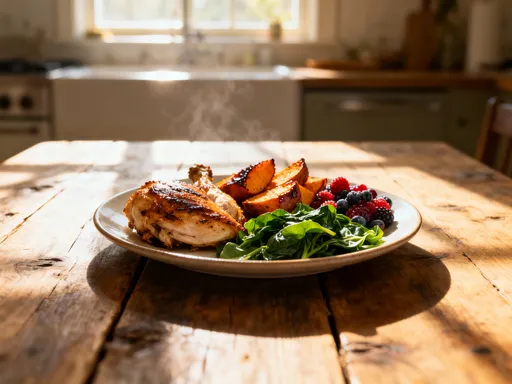
I replaced them with whole, fiber-rich foods. Oats became my go-to breakfast—topped with berries, chia seeds, and a sprinkle of nuts. The soluble fiber in oats, particularly beta-glucan, has been shown in studies to modestly reduce LDL cholesterol by binding to bile acids in the gut and promoting their excretion. This forces the liver to pull more cholesterol from the bloodstream to make new bile, effectively lowering circulating levels.
I also began choosing healthy fats more intentionally. Instead of avoiding fat altogether, I learned to distinguish between types. I swapped butter for avocado on toast and used olive oil instead of margarine. Nuts, seeds, and fatty fish like salmon became regular parts of my meals. These foods are rich in monounsaturated and omega-3 fats, which support heart health by reducing inflammation and improving lipid ratios. Avocados, for instance, are not only high in heart-healthy fats but also contain fiber and plant sterols—compounds that block cholesterol absorption in the intestines.
Another key change was increasing plant-based foods. I didn’t go vegetarian, but I made sure at least half my plate at every meal was filled with vegetables, legumes, or whole grains. Beans, lentils, and chickpeas became staples. They’re packed with soluble fiber and protein, and studies show that eating just one serving of legumes daily can lead to measurable improvements in LDL over time. I also added more antioxidant-rich foods—like spinach, kale, and colorful peppers—which help combat oxidative stress, a contributor to LDL oxidation.
Perhaps the most impactful shift was cutting back on processed foods. I started reading labels and was shocked at how many packaged items contained hidden sugars, unhealthy fats, and refined grains. I began cooking more at home, using simple ingredients I recognized. This not only improved my lipid profile but also increased my energy and mental clarity. Over time, my taste preferences changed. I no longer craved sugary snacks the way I once did. My body began to crave nourishment, not just stimulation.
The Hidden Power of Daily Movement
Diet was only one piece of the puzzle. I knew I needed to move more—but not in a punishing way. I wasn’t aiming for marathon training or intense daily workouts. Instead, I focused on consistent, moderate activity that fit into my routine. I started walking 30 minutes a day, often after dinner. At first, it felt like a chore, but soon it became a ritual—a chance to unwind, listen to a podcast, or simply enjoy the outdoors.
What I didn’t realize was how much this simple habit was helping my cholesterol. Regular physical activity improves circulation, enhances insulin sensitivity, and supports healthy liver function—all of which influence lipid metabolism. Exercise helps the body use insulin more efficiently, which reduces the liver’s need to produce excess glucose and fats. It also increases the activity of enzymes that help clear triglycerides from the blood and boost HDL levels.
I also began incorporating more movement into my daily life. I took the stairs instead of the elevator, parked farther from store entrances, and did short stretching breaks during work hours. These small efforts added up. Research shows that even light-intensity activities, when done consistently, can have a meaningful impact on cardiovascular health. The key is consistency, not intensity.
After a few months, I noticed changes beyond my blood work. I had more stamina. I slept better. My mood improved. Movement wasn’t just helping my cholesterol—it was improving my overall sense of well-being. I realized that physical activity wasn’t a punishment for eating or a chore to check off. It was a form of self-care, a way to honor my body’s need to move and function optimally.
Sleep and Stress: The Silent Lipid Disruptors
As I made progress with diet and exercise, I hit a plateau. My numbers improved, but not as much as I’d hoped. That’s when I started looking at two often-overlooked factors: sleep and stress. I was sleeping about six hours a night, often waking up to check my phone or worrying about work. I didn’t think much of it—many people function on less, right? But research told a different story.
Poor sleep disrupts hormones that regulate appetite, metabolism, and stress. When you’re sleep-deprived, your body produces more cortisol, the primary stress hormone. Elevated cortisol increases blood sugar and signals the liver to produce more cholesterol and triglycerides. It also promotes fat storage, particularly around the abdomen, which is linked to higher cardiovascular risk. Even one night of poor sleep can temporarily raise LDL levels in some individuals.
Chronic stress has a similar effect. When the body is under constant pressure, the “fight or flight” system stays activated, leading to prolonged cortisol exposure. This not only affects cholesterol production but also increases inflammation and blood pressure. Over time, this creates a hostile internal environment for heart health. I realized that no amount of kale or walking could fully offset the damage of chronic stress and poor sleep.
I made sleep a priority. I set a bedtime and created a wind-down routine: no screens an hour before bed, dimming the lights, and practicing gentle breathing exercises. I also started journaling to clear my mind. Within weeks, I was sleeping more deeply and waking up refreshed. I also carved out time for stress reduction—whether it was a short walk in nature, listening to calming music, or simply sitting quietly with a cup of herbal tea. These small rituals didn’t eliminate stress, but they helped me manage it better. And slowly, my lipid markers began to improve again.
Tracking Progress: What to Measure and When
After about three months of consistent changes, I scheduled a follow-up blood test. I wasn’t expecting miracles, but I wanted to see if my efforts were making a difference. When the results came back, I felt a surge of encouragement. My LDL had dropped by 18%, my HDL had risen slightly, and my triglycerides were down by nearly 25%. The ratios—especially triglyceride to HDL—had improved significantly.
My doctor reminded me that progress isn’t linear. Cholesterol levels respond slowly to lifestyle changes. It typically takes 8 to 12 weeks for meaningful shifts to appear in blood work, and even longer for full stabilization. This is why patience is essential. Many people give up too soon, discouraged by early results that don’t show dramatic change. But small, consistent improvements compound over time.
I learned to focus on trends, not single numbers. One test doesn’t tell the whole story. What matters is the direction—Are HDL levels rising? Are triglycerides falling? Is the total cholesterol to HDL ratio improving? These patterns provide a clearer picture of cardiovascular health than any one value. I also began tracking other markers: waist circumference, energy levels, sleep quality. These non-lab indicators offered valuable feedback on how I was truly feeling.
Most importantly, I continued working with my healthcare provider. I didn’t try to interpret my results in isolation or make drastic changes based on internet advice. My doctor helped me understand what the numbers meant in the context of my overall health—family history, blood pressure, activity level, and other risk factors. This partnership ensured that my approach was safe, informed, and personalized.
Building a Lifestyle, Not a Fix
Today, managing my cholesterol isn’t something I “do” for a few months and then stop. It’s woven into the fabric of my daily life. I don’t follow a strict diet or obsess over every meal. Instead, I’ve built a lifestyle that naturally supports metabolic balance. Whole foods, regular movement, quality sleep, and stress management aren’t chores—they’re choices that make me feel better, every day.
I’ve accepted that perfection isn’t the goal. There are days when I eat dessert or skip a walk. But consistency matters more than occasional slip-ups. The key is returning to healthy habits without guilt or frustration. This mindset shift—from short-term fix to long-term care—has made all the difference.
What I’ve learned extends far beyond cholesterol. It’s about listening to your body, respecting its limits, and nurturing it with intention. Health isn’t something that happens to you—it’s something you create, moment by moment. Small choices, repeated over time, shape your future. You don’t need a diagnosis to start. You just need awareness, a willingness to change, and the belief that your body can heal when given the right support.
If your cholesterol numbers are rising, or if you’re feeling that subtle sense of “off” without a clear cause, know this: you’re not powerless. You have more control than you think. It’s never too early—and never too late—to make choices that honor your long-term well-being. Your heart, your energy, your clarity—they’re all connected. And with the right foundation, balance is not only possible—it’s sustainable.