Hair Love in the Mirror: How Calm Minds Grow Healthy Locks
Ever looked in the mirror and hated your hair? I’ve been there—frizzy, thin, breaking. But what if I told you the real issue wasn’t your shampoo? Stress, mood swings, and emotional chaos silently wreck your scalp. Science shows that your mind and hair are deeply connected. When cortisol spikes, hair suffers. This isn’t magic—it’s biology. Let’s break down how calming your mind can actually help grow stronger, shinier hair—naturally.
The Hair-Mind Connection: More Than Just Stress
Hair growth is not merely a surface-level process; it is deeply rooted in the body’s internal environment, particularly the nervous and endocrine systems. The connection between emotional well-being and hair health is not anecdotal—it is supported by medical research. Chronic emotional stress triggers the hypothalamic-pituitary-adrenal (HPA) axis, leading to elevated levels of cortisol, the primary stress hormone. When cortisol remains high over time, it disrupts the natural hair growth cycle, particularly the anagen phase, which is responsible for active follicle development. During this phase, hair strands grow approximately one centimeter per month under optimal conditions. However, prolonged stress can prematurely push hair follicles into the telogen (resting) phase, resulting in increased shedding several weeks or months later.
This biological shift explains why many women notice significant hair loss after emotionally taxing life events such as divorce, job loss, or the death of a loved one. The body interprets emotional turmoil as a threat, redirecting energy and nutrients away from non-essential functions like hair growth and toward survival mechanisms. Inflammation also plays a key role—chronic stress increases systemic inflammation, which can damage hair follicles and impair their ability to regenerate. Additionally, hormonal imbalances caused by stress, including fluctuations in estrogen, progesterone, and thyroid hormones, further complicate the picture. These interconnected factors create a hostile environment for healthy hair, even when external care routines remain consistent.
Understanding this connection empowers women to see hair health not as a cosmetic concern but as a reflection of internal balance. It shifts the focus from temporary fixes—like switching shampoos or using expensive serums—to addressing root causes. For instance, a woman experiencing post-breakup hair thinning may benefit more from emotional processing and stress management than from topical treatments alone. Recognizing that emotional health directly influences physical outcomes allows for a more compassionate and effective approach to self-care. The mirror becomes not just a tool for appearance, but a window into overall well-being.
Why Emotional Turbulence Shows Up on Your Scalp
The scalp is richly supplied with blood vessels, making it highly sensitive to changes in circulation. When emotional turbulence—such as anxiety, irritability, or persistent worry—becomes a regular part of daily life, the body’s fight-or-flight response is repeatedly activated. This leads to vasoconstriction, or the narrowing of blood vessels, which reduces blood flow to peripheral areas, including the scalp. With less oxygen and fewer nutrients reaching the hair follicles, their function diminishes. Over time, this can result in weaker strands, slower growth, and increased breakage. The impact is subtle at first, often dismissed as aging or seasonal change, but it accumulates silently until noticeable thinning occurs.
Beyond circulation, emotional health is intricately linked to gut health through what scientists call the gut-brain axis. Emotional distress can disrupt the balance of beneficial bacteria in the digestive tract, leading to conditions like leaky gut syndrome or poor nutrient absorption. Since hair growth depends on a steady supply of essential nutrients—such as iron, zinc, biotin, and amino acids—any disruption in digestion can indirectly contribute to hair thinning. For example, low iron levels, commonly associated with fatigue and mood swings, are also a known cause of hair loss in women. Thus, emotional imbalance can initiate a chain reaction: poor mood affects gut function, which impairs nutrient uptake, which then compromises hair integrity.
It’s important to clarify that managing emotions is not about passive relaxation or ignoring real challenges. Rather, it is an active form of physiological support. Emotional regulation helps stabilize cortisol levels, reduce inflammation, and improve overall metabolic function. When women prioritize emotional wellness, they are not indulging in self-help trends—they are supporting fundamental biological processes. Topical hair treatments, while helpful for texture and appearance, cannot compensate for these internal deficits. A serum may smooth the cuticle, but it cannot restore blood flow or correct hormonal imbalances caused by chronic stress. Therefore, true hair rejuvenation begins within, where emotional stability lays the foundation for lasting results.
Spotting the Signs: When Hair Is Screaming for Emotional Care
Recognizing early warning signs is crucial for timely intervention. Many women overlook subtle changes in their hair, attributing them to age, genetics, or styling habits. However, increased shedding—especially when clumps appear in the shower drain or on the pillowcase—can signal emotional strain. A normal scalp sheds about 50 to 100 hairs per day, but stress-induced telogen effluvium can double or even triple that number. Unlike genetic hair loss, which typically presents as gradual thinning at the crown or part line, telogen effluvium causes diffuse shedding across the entire scalp, often noticed three to six months after a stressful event.
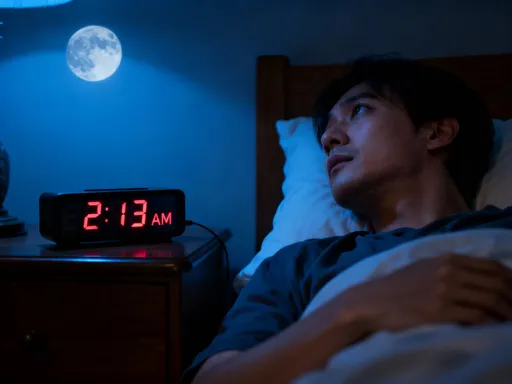
Other signs include slower growth, dull texture, reduced volume, and an itchy or flaky scalp. These symptoms may coincide with emotional patterns such as disrupted sleep, difficulty concentrating, or emotional eating. For instance, a woman who has been waking up repeatedly during the night due to anxiety may later notice her ponytail feels thinner. Poor sleep quality impairs tissue repair and hormone regulation, both of which are essential for healthy hair. Similarly, emotional eating—especially of processed or sugary foods—can lead to nutritional deficiencies that further weaken hair structure.
Self-awareness without alarm is key. Not every bad hair day indicates a deeper problem, but consistent changes warrant attention. Keeping a simple journal to track mood, sleep, diet, and hair observations can reveal patterns over time. For example, a woman might notice that weeks of high work pressure correlate with more shedding, even if she feels she is “coping fine.” This insight can be empowering, showing that hair health is responsive to lifestyle and emotional shifts. By tuning into these signals, women can take proactive steps before minor issues become major concerns, fostering a more compassionate relationship with their bodies.
Mind-First Haircare: The Shift That Changes Everything
The concept of “mind-first haircare” represents a paradigm shift in how we approach beauty and self-care. Instead of viewing hair health as a matter of external products, this approach positions emotional well-being as the foundation of radiant hair. Just as a garden cannot thrive without fertile soil, hair cannot grow strong without internal balance. Emotional stability supports optimal hormone function, reduces inflammation, and enhances nutrient delivery—all of which are critical for healthy follicles. In this framework, self-care rituals like deep breathing, mindfulness, or setting emotional boundaries are not luxuries; they are essential acts of hair nourishment.
Many women invest heavily in serums, masks, and treatments, only to see limited results. This frustration often stems from addressing symptoms rather than causes. While high-quality hair products can improve appearance, they do not address the physiological effects of chronic stress. In contrast, calming the mind creates systemic benefits that ripple through the body. For example, lowering cortisol levels through consistent emotional regulation can extend the anagen phase, allowing hair to grow longer and stronger before entering the resting phase. This is not a quick fix, but a sustainable transformation rooted in biology.
Adopting a mind-first approach also reframes daily routines. Simple practices—such as taking five minutes each morning to breathe deeply, writing down three things you’re grateful for, or stepping away from screens an hour before bed—become powerful tools for hair health. These habits signal safety to the nervous system, reducing the constant low-grade stress that many women carry without realizing it. Over time, this shift in mindset fosters resilience, not just for hair, but for overall well-being. Beauty becomes less about perfection and more about alignment—with oneself, with one’s emotions, and with the body’s natural rhythms.
Daily Emotional Habits That Nourish Your Hair
Incorporating small, consistent emotional habits into daily life can yield significant benefits for hair health. One of the most effective is mindful breathing. Just five minutes of slow, intentional breaths—inhaling through the nose for four counts, holding for four, and exhaling for six—can activate the parasympathetic nervous system, which counteracts stress. This simple practice lowers cortisol, reduces heart rate, and improves blood flow to the scalp. When done regularly, it creates a cumulative effect, helping the body stay in a state of calm rather than chronic alertness.
Gratitude journaling is another powerful habit. Writing down positive experiences or things you appreciate each day helps shift focus away from stressors and reinforces neural pathways associated with emotional well-being. Studies suggest that gratitude practices can improve sleep quality and reduce symptoms of anxiety, both of which support hair health. A woman who journals before bed may find herself falling asleep faster and waking up feeling more rested—conditions that promote optimal hair growth.
Short walks in nature, even for 15 to 20 minutes, also play a vital role. Exposure to green spaces has been shown to reduce cortisol levels and improve mood. The gentle movement increases circulation, delivering more oxygen and nutrients to hair follicles. Unlike intense workouts, which can sometimes increase stress hormones if overdone, moderate outdoor activity provides a balanced boost to both mental and physical health. Pairing this with digital detox—avoiding screens at least one hour before bedtime—further enhances sleep quality, allowing the body to repair and regenerate overnight.
For best results, these habits should be practiced consistently, not just during times of crisis. Tracking both mood and hair changes in a journal can help identify what works. Over weeks and months, women may notice not only stronger, shinier hair but also greater emotional clarity and resilience. These habits are not about achieving perfection, but about creating a sustainable rhythm of care that honors both inner and outer beauty.
Diet, Sleep, and Mood: The Hair Triad
Hair health rests on a triad of interconnected factors: diet, sleep, and mood. Each influences the others, forming a dynamic system that either supports or undermines well-being. Emotional regulation plays a central role in maintaining balance within this triad. When mood is stable, sleep tends to be deeper and more restorative. Quality sleep, in turn, regulates appetite hormones like ghrelin and leptin, reducing cravings for sugary or processed foods. This creates a positive feedback loop: better mood leads to better sleep, which supports healthier eating, which then nourishes both brain and hair.
Nutrition is especially critical. Hair is primarily made of keratin, a protein that requires a steady supply of amino acids. Diets low in protein can lead to brittle, thinning hair. Iron deficiency, common among women of all ages, is strongly linked to hair loss and often coexists with fatigue and low mood. Zinc supports immune function and cell reproduction, both necessary for hair growth. Omega-3 fatty acids, found in fatty fish, flaxseeds, and walnuts, help reduce scalp inflammation and support oil production for a healthy scalp. Rather than viewing these nutrients as isolated supplements, they can be seen as “mood-hair fuels”—substances that simultaneously support emotional balance and physical vitality.
However, emotional insecurity can lead to restrictive eating patterns that do more harm than good. Many women, in an effort to feel more in control, adopt overly rigid diets that eliminate entire food groups. While intended to improve health, such approaches often result in nutrient deficiencies that negatively impact hair. The key is balance—eating a varied, whole-foods-based diet that satisfies both body and mind. Listening to hunger cues, eating mindfully, and avoiding extreme restrictions support long-term well-being. When emotional needs are met through self-compassion rather than control, the body responds with stronger hair, clearer skin, and greater energy.
When to Seek Help: Knowing the Limits of Self-Care
While emotional self-care is a powerful tool, it is not a substitute for professional medical evaluation. Persistent hair loss, especially when accompanied by other symptoms like fatigue, weight changes, or mood disorders, should be assessed by a healthcare provider. Conditions such as hypothyroidism, polycystic ovary syndrome (PCOS), or autoimmune disorders like alopecia areata can mimic stress-related hair loss but require specific diagnosis and treatment. Blood tests can identify deficiencies in iron, vitamin D, or thyroid hormones, guiding appropriate interventions.
Similarly, ongoing emotional distress—such as prolonged sadness, anxiety, or difficulty functioning in daily life—warrants support from a licensed therapist or counselor. Mental health is not a secondary concern; it is foundational to physical health. Talking to a professional does not mean failure—it means courage. Many women find that therapy not only improves their emotional well-being but also leads to noticeable improvements in their hair. As stress decreases and coping strategies improve, the body’s natural healing processes can resume.
This guide is designed to support wellness, not replace medical care. It offers a framework for understanding the deep connection between mind and hair, empowering women to take informed, compassionate steps toward balance. Small emotional shifts—like breathing more deeply, sleeping more soundly, or eating more mindfully—can lead to visible, lasting changes. Over time, the mirror may reflect not just healthier hair, but a woman who feels more grounded, resilient, and at peace with herself. That is the true essence of beauty: not perfection, but harmony.